Interview by Jérôme Sans and Pier Luigi Tazzi
What is your work about?
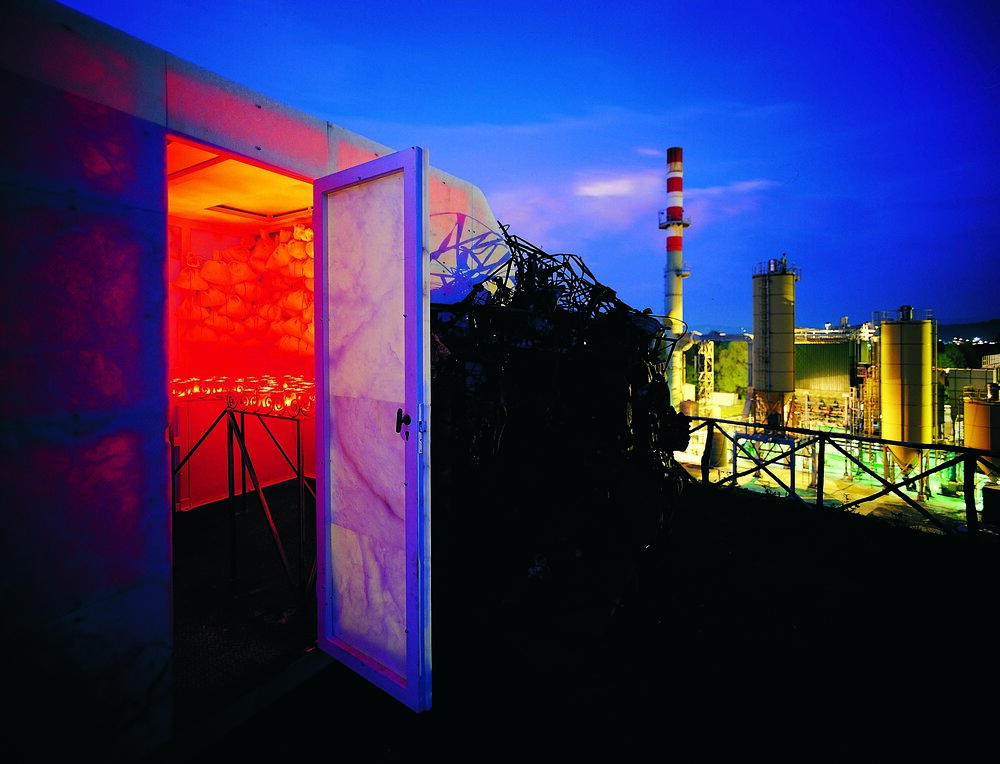
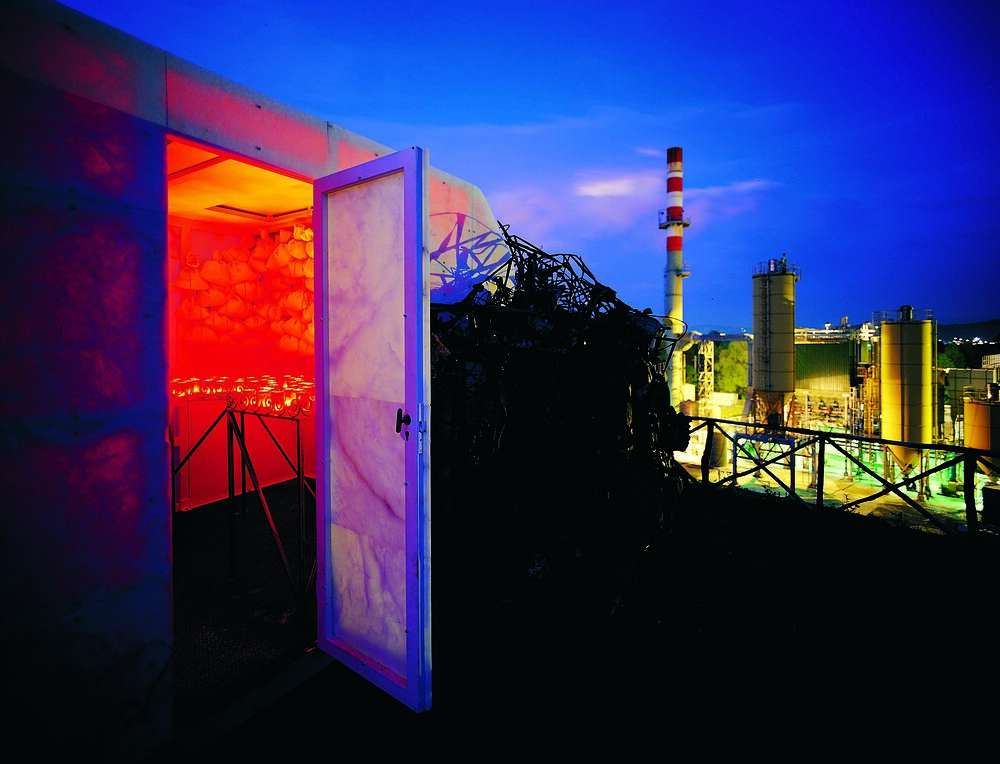
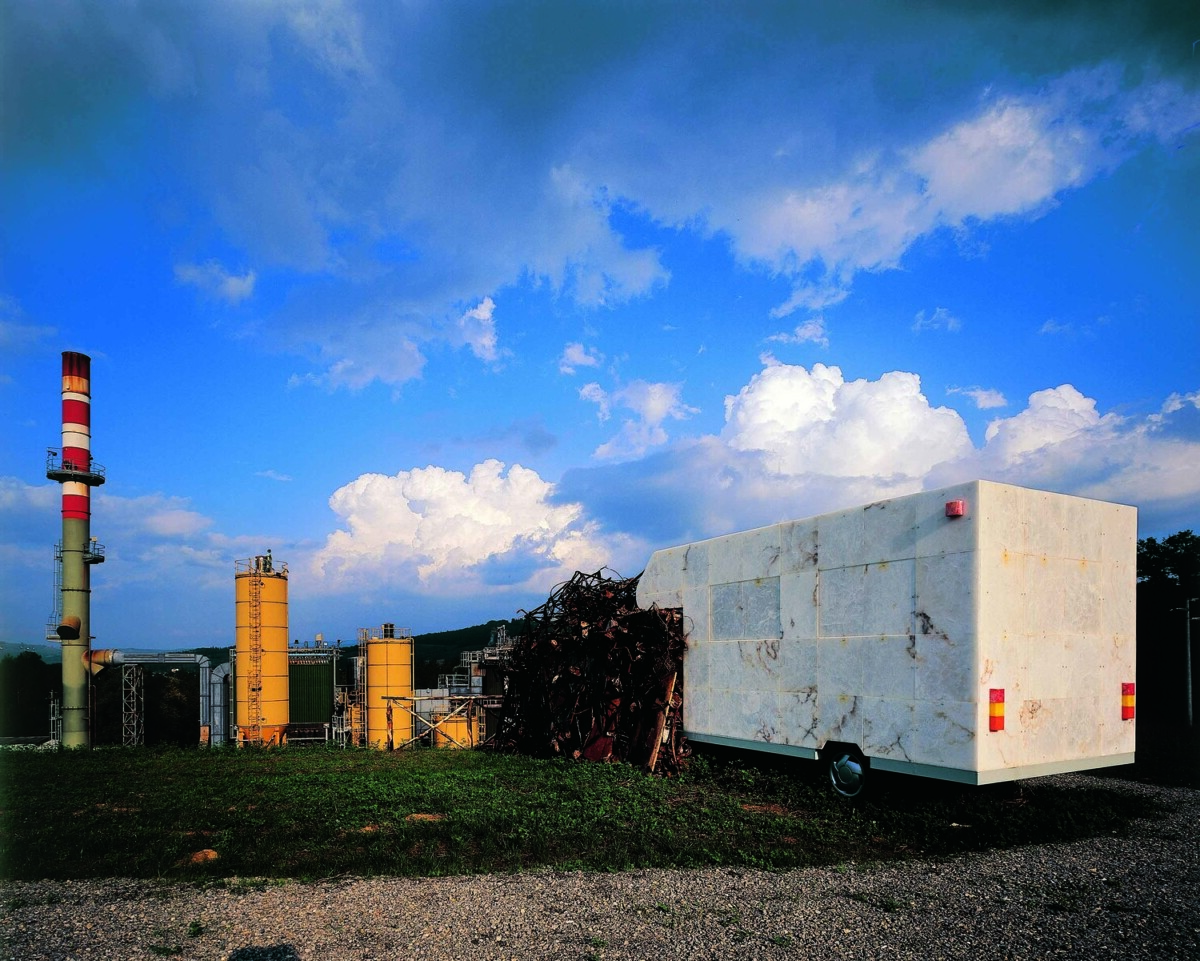
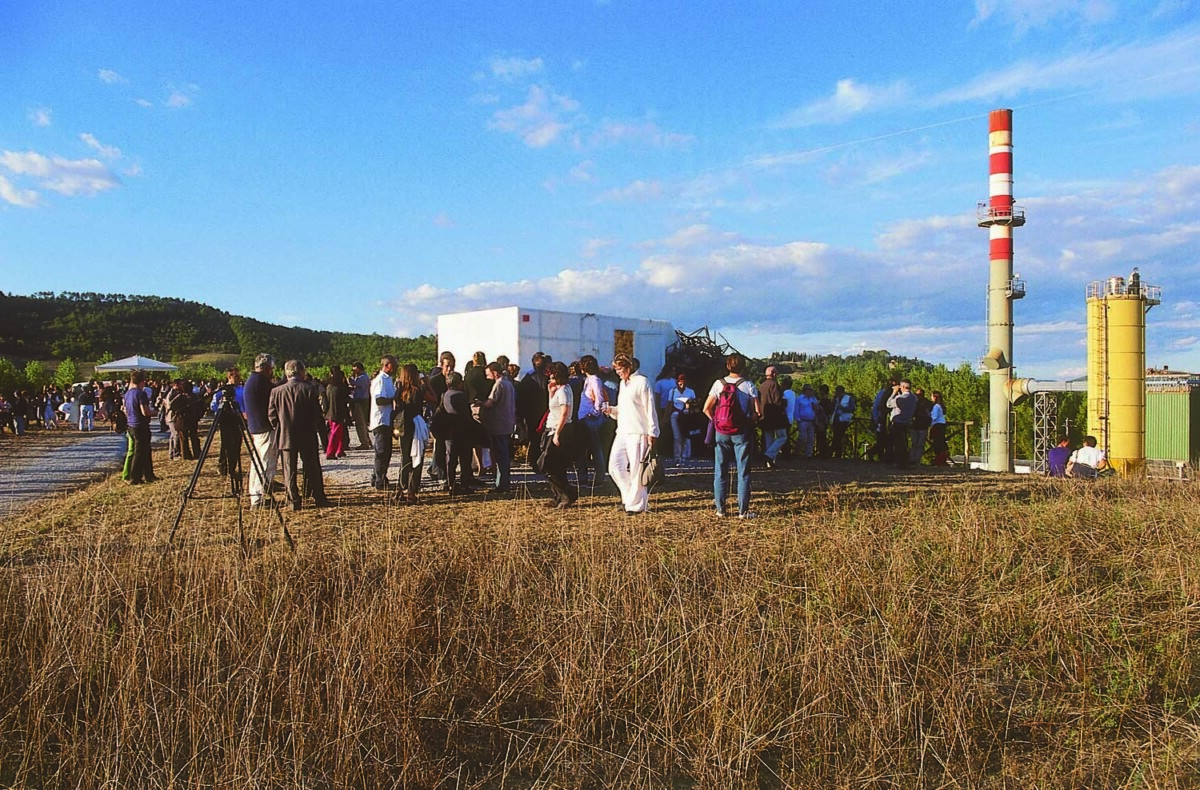
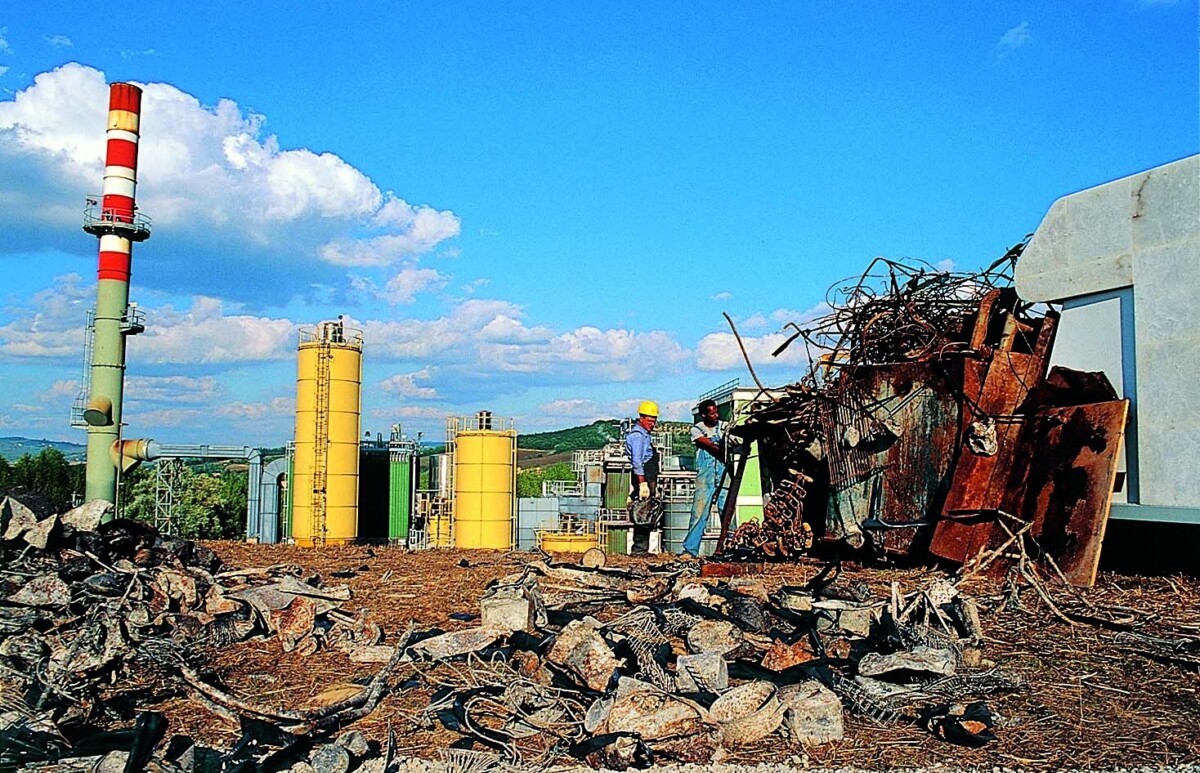
Si tratta di un caravan in alabastro che sembra essersi arenato in un ammasso di detriti. Nel caravan ci sono sgabelli fatti con i copertoni, un tavolino pieno di ceri e sacchetti pieni di mais, frumento e avena. Ho scelto di lavorare con un caravan perché quella dei caravan è una delle maggiori produzioni di Poggibonsi. Perché ho scelto Poggibonsi? Perché è una città industriale andata distrutta quasi completamente durante la Seconda guerra mondiale, è davvero ironico che la loro industria principale produca case mobili. Il sito dell’opera è una collinetta adiacente all’inceneritore, spazio scelto perché ha una sua storia mai rivelata. La collinetta-discarica è formata da materiale accumulato e sepolto che si decompone e torna alla natura. È un processo normalissimo concentrato e reso sistematico. Voglio che per la mia opera l’inceneritore sia un luogo di dialogo. Sollevare questioni legate alla moralità, alla mortalità e alle responsabilità, per questo ho usato la storia indesiderata del luogo che è immondizia, e la metafora del santuario come luogo di incontro.
La scelta del luogo è molto interessante perché proponi uno scenario toscano dietro le quinte, una parte nascosta davvero reale e contemporanea. Somiglia un po’ al Centre Pompidou. Ma in questo luogo cosa non è stato ideato come palcoscenico?
Questo è un luogo che si cerca di negare, ma è un luogo rilevante per moltissime ragioni. Penso sia molto importante portare alla luce delle cose per permettere alla gente di riflettere sulla propria vita. E quest’idea della luce è fondamentale per l’opera e mi riferisco alla luce del fuoco dell’inceneritore, alla luce del sole e alla luce delle candele all’interno del santuario.
I detriti sono sempre stati un materiale centrale del tuo lavoro, ma non hai mai unito ai rifiuti un materiale prezioso come l’alabastro. Come vedi questo cambiamento?
L’alabastro è un materiale che ha molto a che vedere con la luce, diffonde la luce ed è proprio questa alterazione che mi interessa perché produce un’atmosfera davvero speciale. È molto importante trovare un equilibrio tra il buio e l’apparente connotazione negativa dei residui dell’inceneritore da un lato e, dall’altro, uno spazio più luminoso e contemplativo.
L’uso delle candele e dell’alabastro non ha una connotazione funerea, soprattutto se in abbinamento con un inceneritore?
Esattamente per questo che ho voluto che la mia opera avesse la forma di un caravan. Come anche tu dici il caravan rimanda al concetto di piacere e di svago, alla transitorietà. Cosi il concetto di movimento è fondamentale per quest’opera, anche a livello visivo; una forma che si muove in un’altra, attraverso riferimenti analoghi rafforza l’idea di trasformazione.
L’alabastro è usato per produrre statuine e altri oggetti kitsch: ora farci addirittura un caravan non è un processo affine al kitsch?
I agree. I don’t find it kitsch, but rather playful. And like a big toy, I like this idea because it frees it from the gravity of death. Working with the incinerator staff was an extraordinary experience that allowed me to witness a powerful transformation using fire, which, despite being part of this industrial-scale process, still maintains a certain intimacy with the material. In other words, the incinerator is a machine that erases, but leaves traces of recognition.
Che rapporto hai con il “bricolage” e soprattutto con quello degli afromericani? L’arte del bricolage non è ancora l’arte degli schiavi?
For me, bricolage is taking a material and giving it a function it doesn’t normally have. It’s a very intelligent process because it involves a very high level of invention. I enjoy the challenge of changing someone’s expectations by surprising them with new combinations.
Art at Art VI, 2001