Associazione Arte Continua turns thirty and celebrates this milestone with a double event. The permanent re-installation of one of the works that have punctuated the splendid journey of Art to Art. And the visit of some works which, thanks to this project, have remained public heritage in the cities.
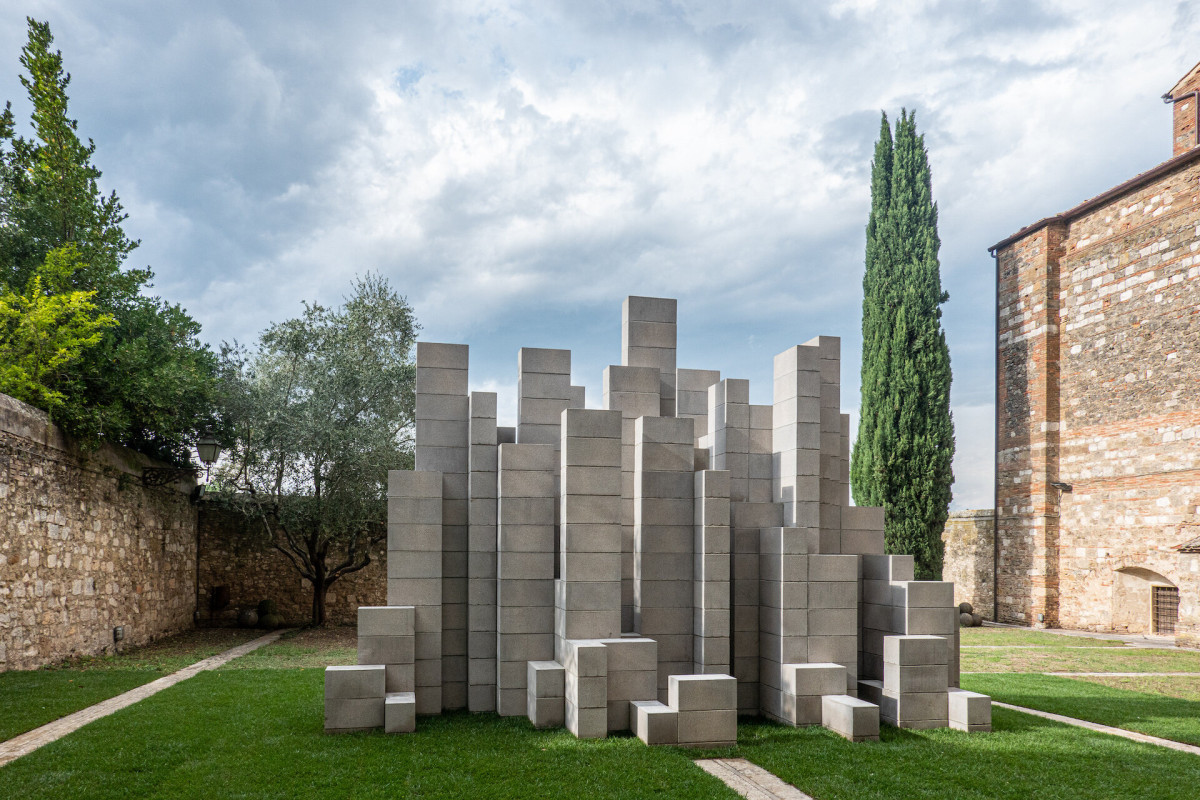
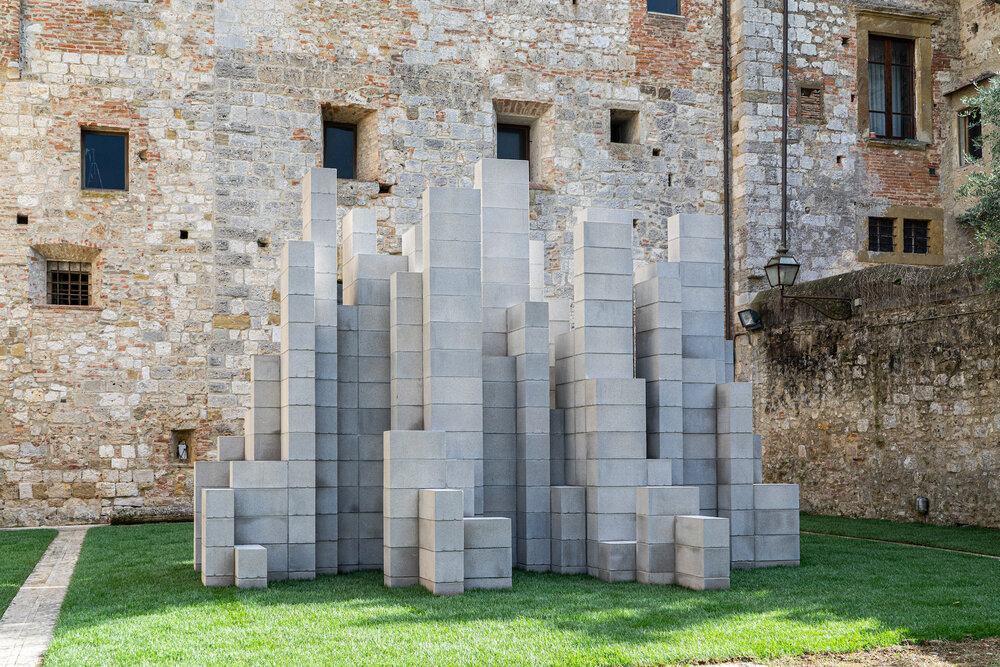
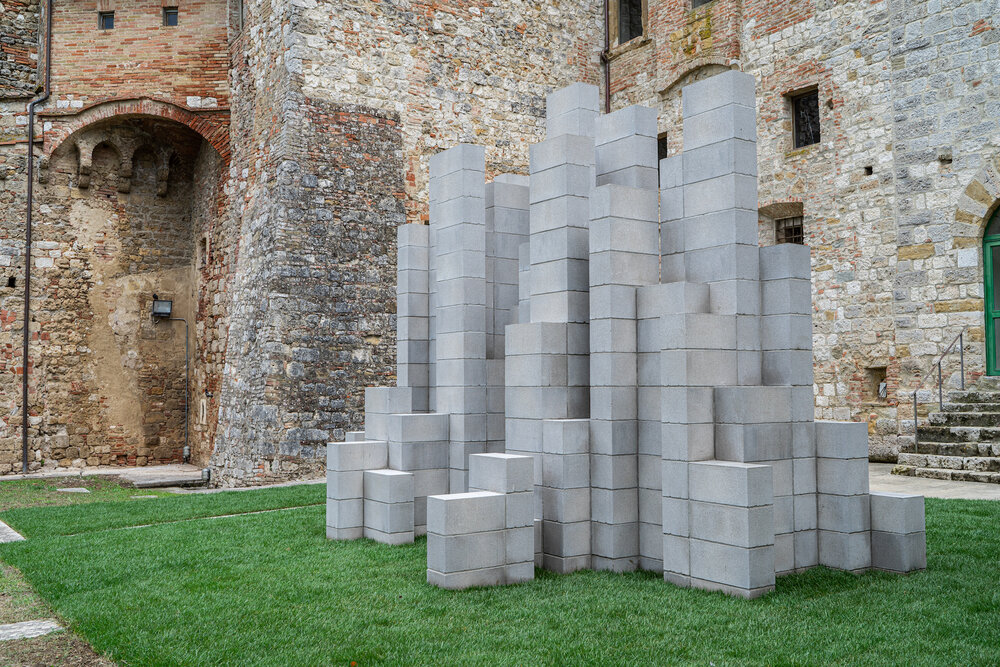
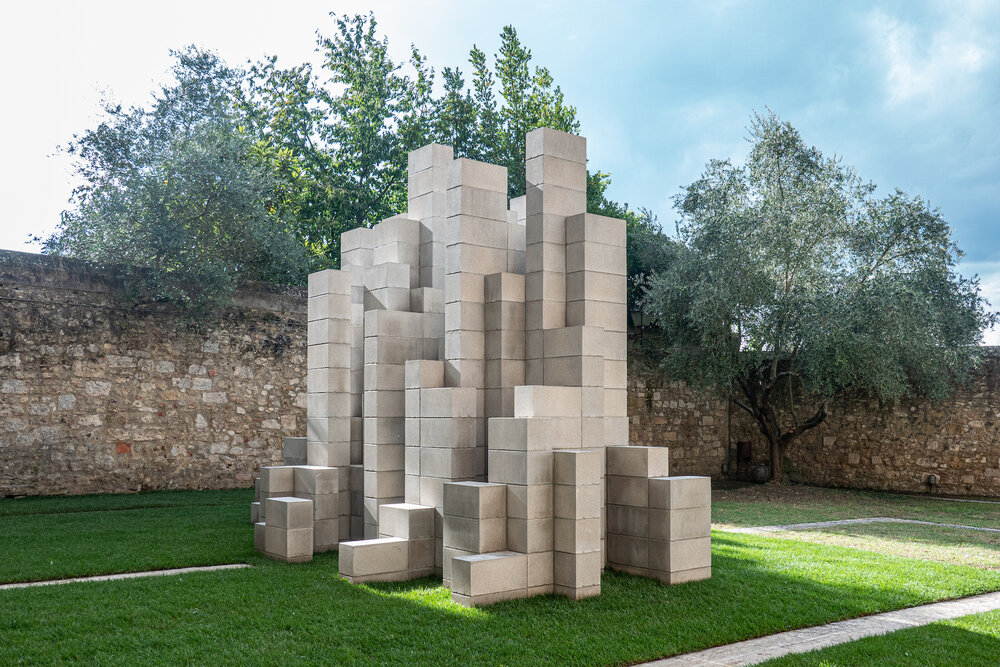
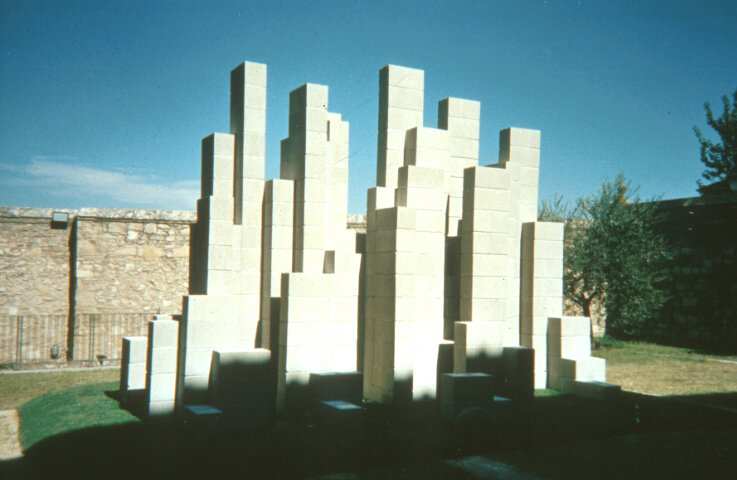
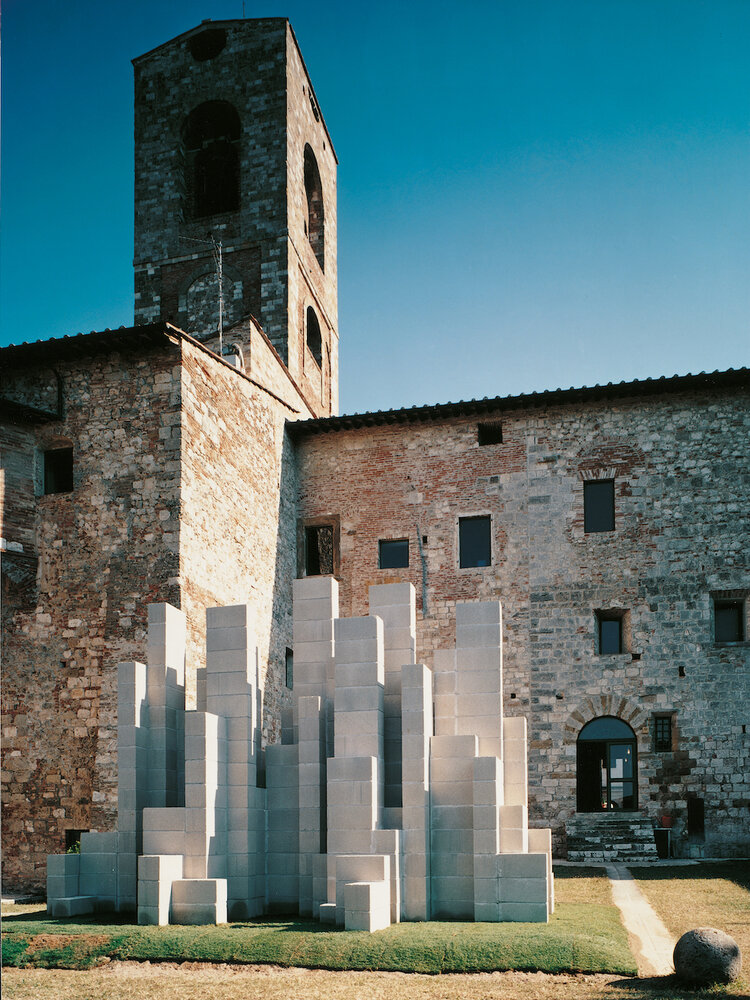
"Concrete Blocks” – l’installazione che Sol LeWitt conceived in 1997 for Colle di Val d’Elsa when he took part in the 2nd edition of Art to Art – quell’anno curata da Giacinto di Pietrantonio e da Jan Hoet – tornerà ad essere ospitata nel giardino del Palazzo Pretorio della città, luogo per il quale l’artista l’aveva pensata e realizzata. La re-installazione di Concrete Blocks it will be officially inaugurated on Sunday 27 September 2020 at 10 am.
The commitment shown by Associazione Arte Continua, the Municipal Administration of Colle di Val d’Elsa and the Sol LeWitt Foundation makes the permanent relocation of Concrete Blocks In the place for which the artist conceived it, the Palazzo Pretorio of Colle di Val d’Elsa, home to the city's Archaeological Museum. “Following the artist's wishes, we decided to involve local trades, such as Edilcostruzioni, which was responsible for the creation of the work, and Unibloc, the same company that supplied the concrete blocks that made up Sol Lewitt's original work in 1997,” explains Mario Cristiani. He continues, “My father was a builder, and I also laid those blocks when I was young. I know they are friable, but the meaning of this work is that every single unit, even if part of something friable and humble, can be noble and important because its essence is. ... because it is not the material that makes something noble, but the care and love it requires to grow.”.
The re-installation of Sol LeWitt's work represents Associazione Arte Continua's intention to resume and continue the discourse, which has in reality never been entirely interrupted, of Art to Art e del suo lavoro sul distretto di Architettura – Arte contemporanea – Campagna.
Sol LeWitt was invited by curators Jan Hoet and Giacinto di Pietrantonio to create a permanent work in the courtyard of the Museum of Colle Val d’Elsa.
“…Se passa dalla forma, segue la funzione dei moderni, alla forma segue l’idea dei concettuali.
Gli architetti di oggi non tengono in grande considerazione gli ziggurat.. Ironia vuole che il nuovo Whitney Museum sia uno ziggurat rovesciato, molto apprezzato, mentre gli edifici per uffici non sono considerati particolarmente eleganti… potrebbe essere allora il momento propizio per ripensare agli ziggurat. Molti di essi saranno riconosciuti come opere d’arte di valore.
Proprio gli ziggurat ricordano molte delle sue opere, dalle modular structures alle sculture odierne come l’opera esposta ai Giardini della Biennale di Venezia, o quella costruita nel cortile del Museo di Colle Val d’Elsa.
Un’opera d’arte implica molti elementi, i più importanti sono i più evidenti.
Mostrano un ritmo e un’organizzazione degli elementi base della geometria come il parallelepipedo che fanno pensare ad un sistema costruttivo che LeWitt giura questa volta non esserci. Se ciò avviene vuol dire che lo scopo dell’artista, l’idea prima della forma, è comunque raggiunta. Che ricordano le antiche architetture – azteche, maya – e la forma e la struttura di moderne città – New York, Hong Kong – e l’artista si dimostra daccordo. Che serialità e standardizzazione non generano necessariamente forme e immagini uguali, ma differenti.”
Jan Hoet, Art to Art II, 1997