Project conceived and organised by Associazione Arte Continua
With the patronage of the Tuscany Region, Colle di Val D’Elsa, Poggibonsi and San Gimignano
Leandro Erlich – Under the Arches of Time
10.04.2026 – 10.10.2026
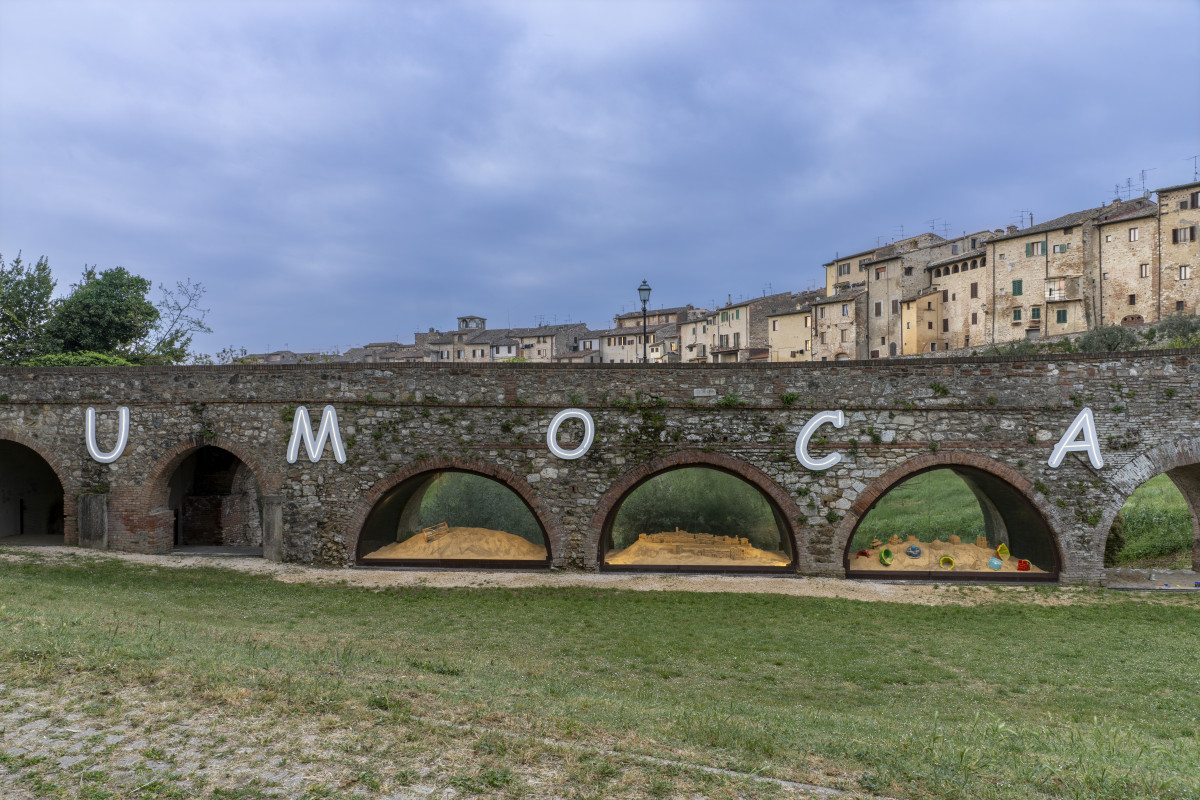
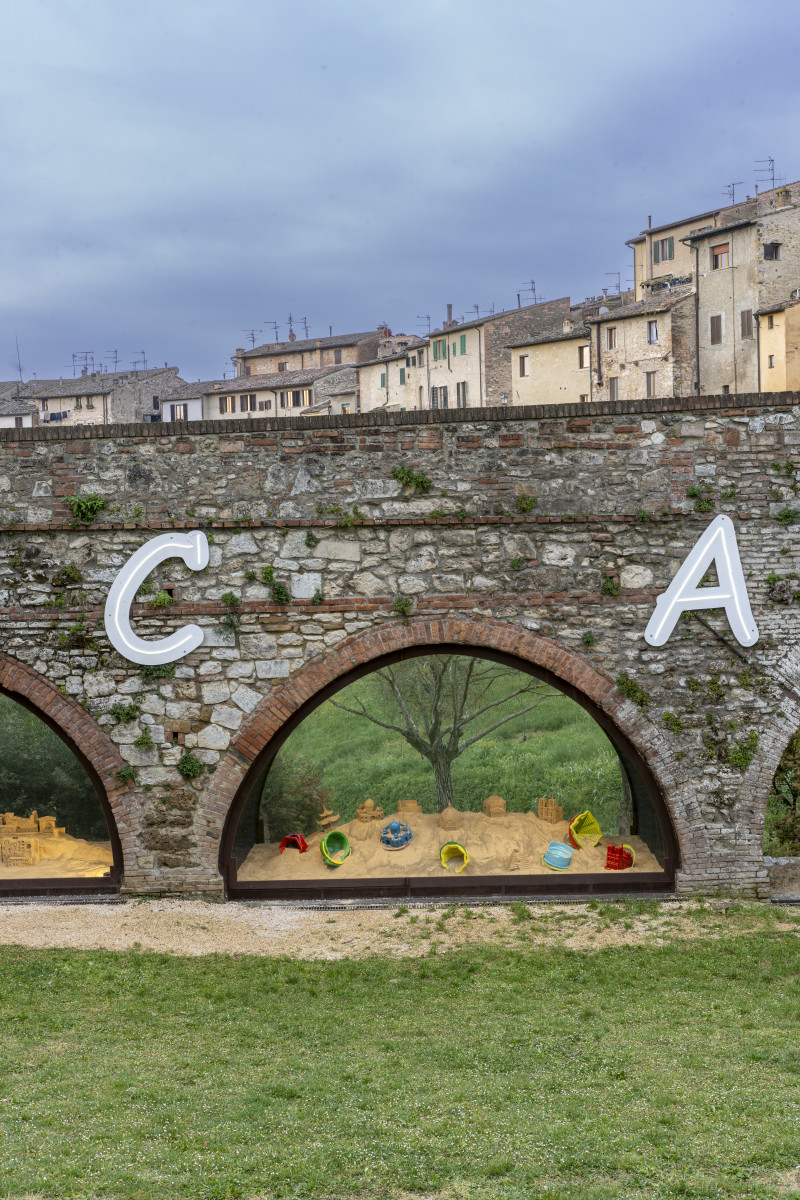
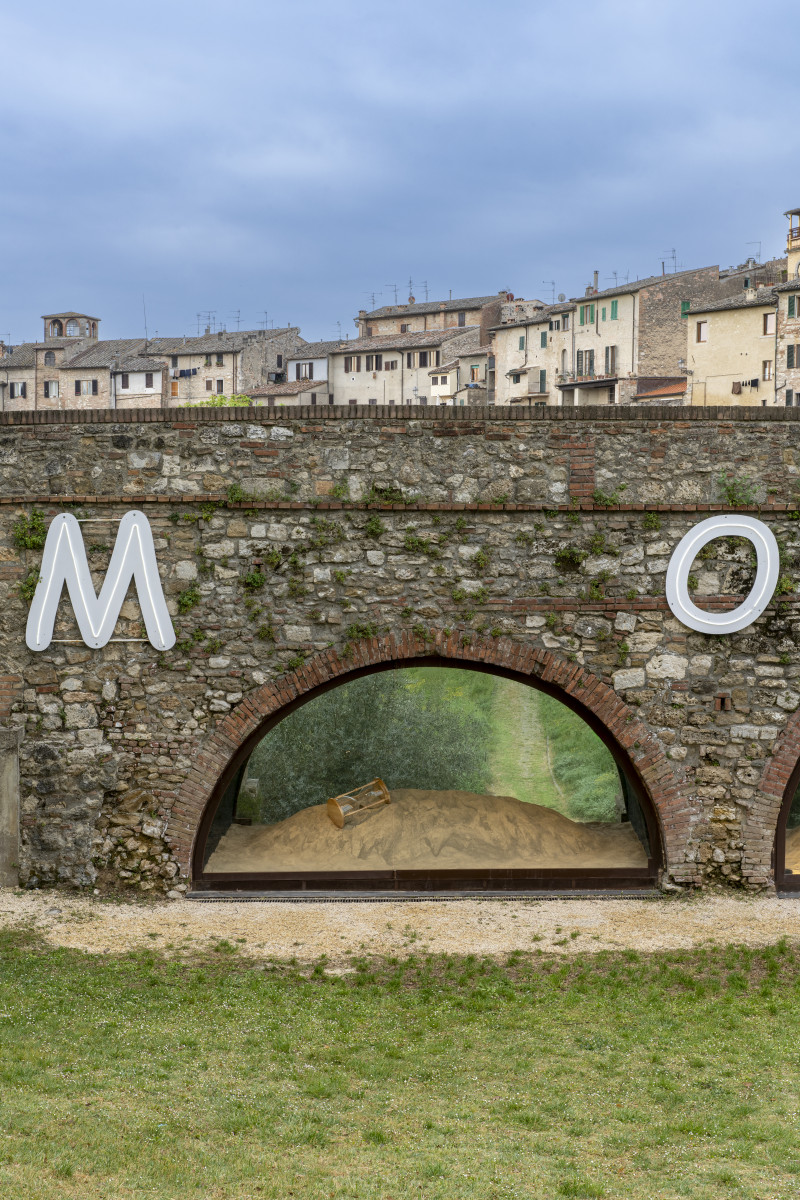
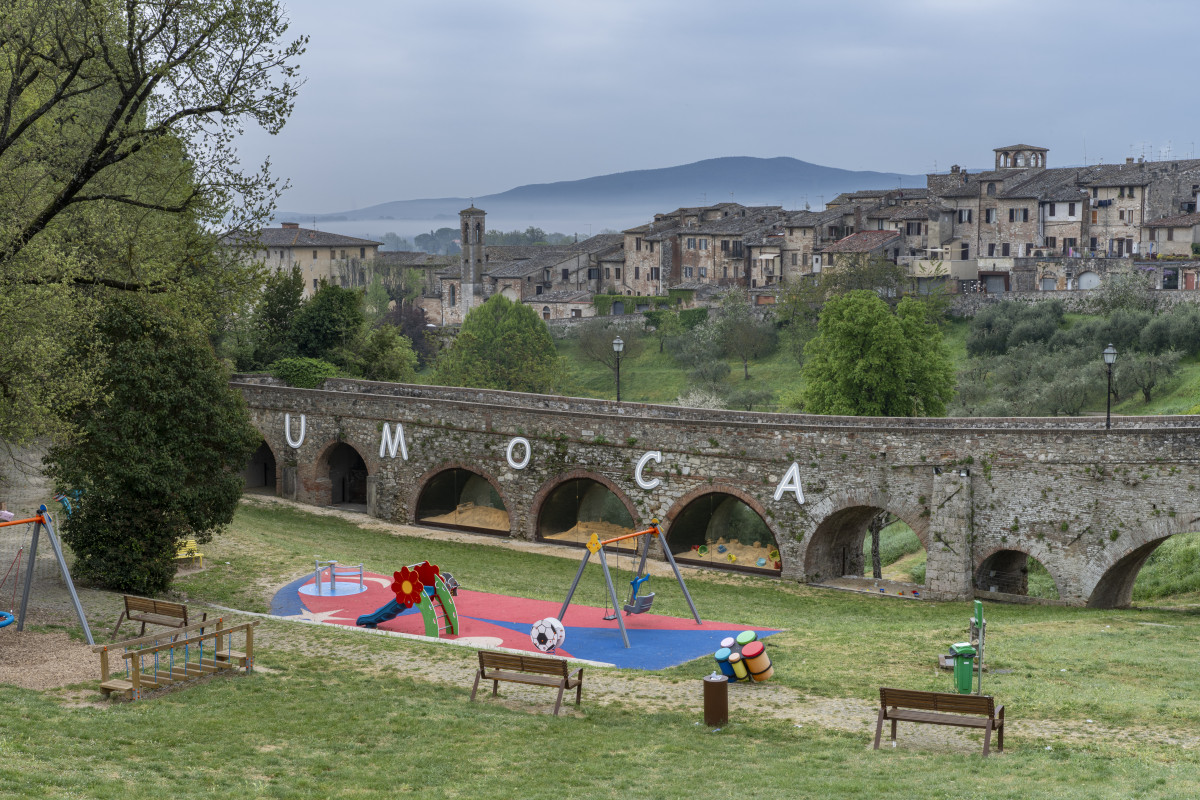
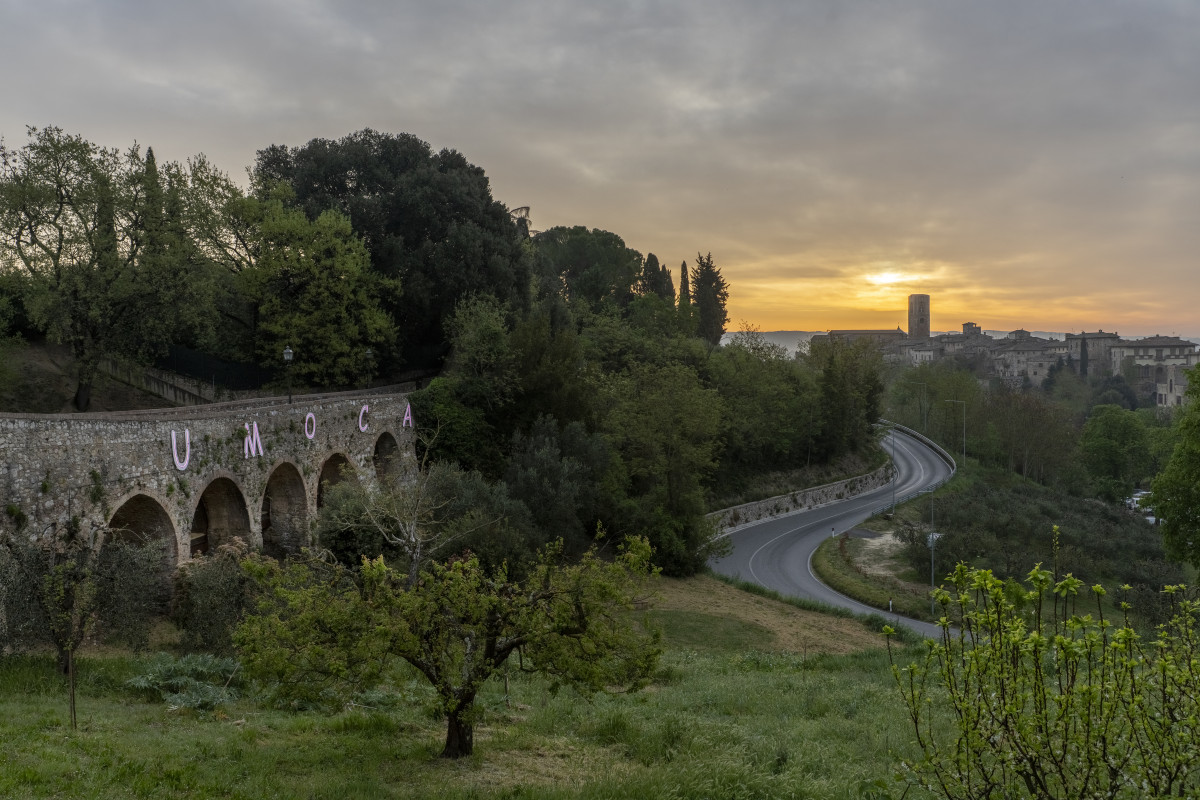
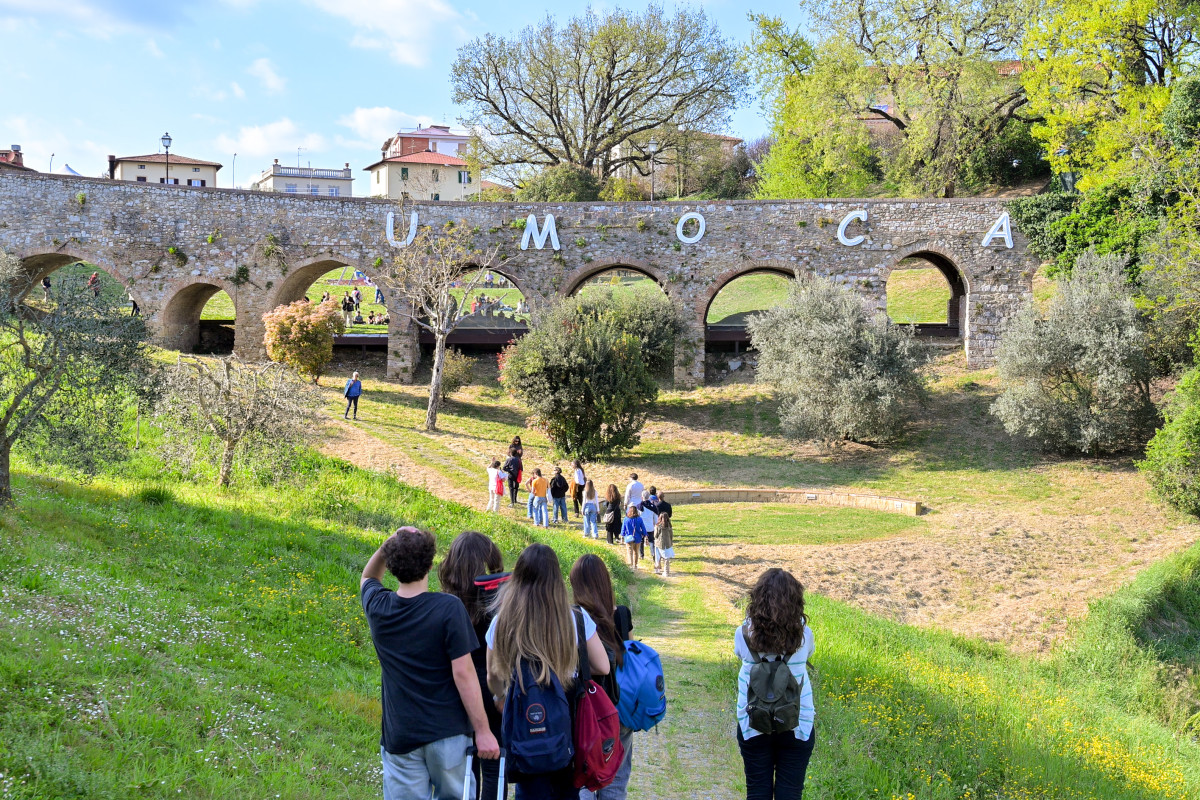
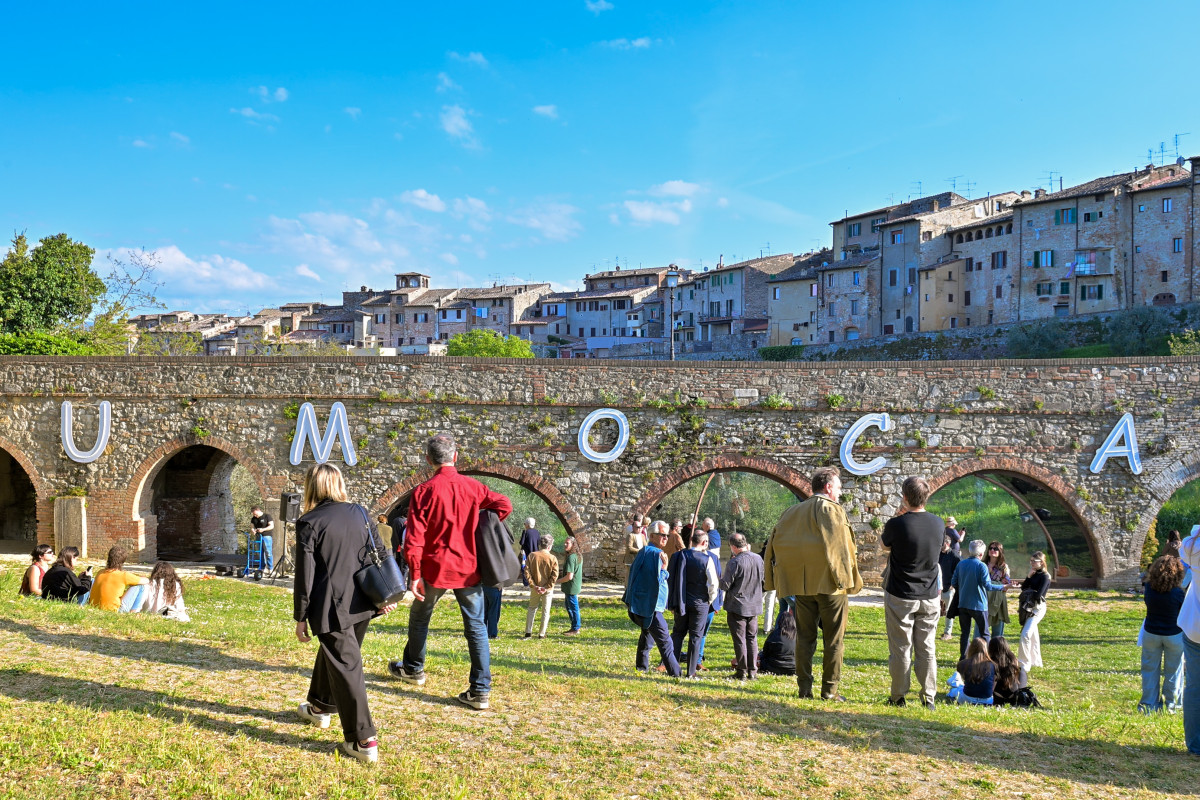
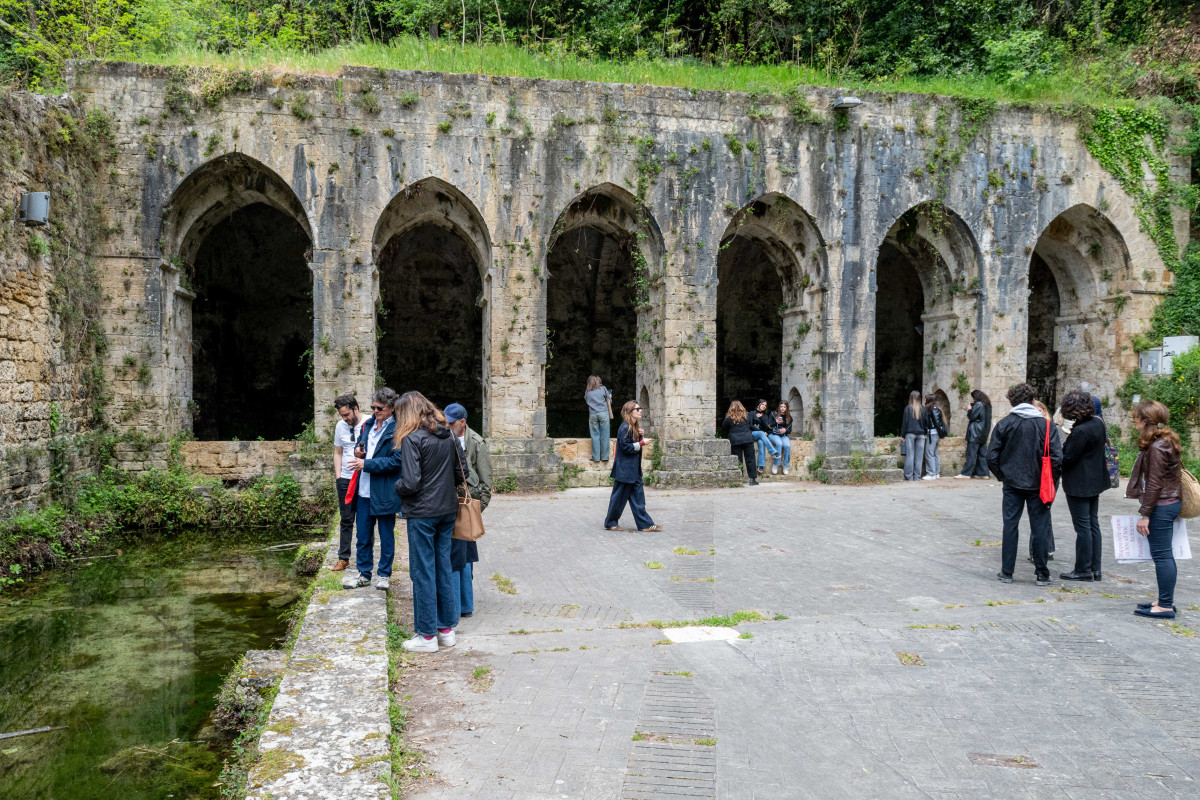
The project consists of three installations in the arches of the San Francesco bridge.
UMoCA – Under Museum of Contemporary Art
Permanent opera / museum space by Cai Guo-Qiang
with the assistance of Associazione Arte Continua
From’11 April 2026, one of the best-known artists in the international art community, Leandro Erlich, arrives in Colle di Val d’Elsa with Under the Arches of Time , a series of site-specific installations created for UMoCA – Under Museum of Contemporary Art, freely accessible to the public. The project, which falls within the scope of“The cities of the future”, is devised and organised by Associazione Arte Continua, which for over thirty years has been promoting public art projects capable of connecting international artists, local communities and the landscape.
«The Associazione fin dalla nascita cerca di sostenere lo spirito di libertà, indipendenza e competenza degli artisti, nella possibilità di dialogare con la realizzazione dello spazio della vita quotidiana dei cittadini, degli appassionati d’arte o dei passanti. Portare agli occhi la libertà d’espressione e la libertà di godere ogni volta che se ne senta la voglia di opere d’arte nate specificamente per il luogo in cui si trovano, senza chiedere il permesso e senza dover pagare un biglietto o averne accesso solo attraverso l’acquisizione. Sosteniamo il rispetto per il valore della fragilità e della responsabilità di ognuno rispetto a quello che è lo spazio pubblico, l’opposto della logica per cui quello che è di tutti alla fine non è di nessuno, e lo spazio pubblico come lo scarico di quello che non ha valore per i singoli», afferma il presidente dell’Associazione Arte Continua Mario Cristiani.
Erlich, An artist within the international art community, whose works are exhibited in the world's most important museums – from London's Tate Modern to Paris's Centre Pompidou, with permanent works in the cities of Paris and Shanghai – is known for installations that question the perception of reality and the relationship between everyday space and imagination.
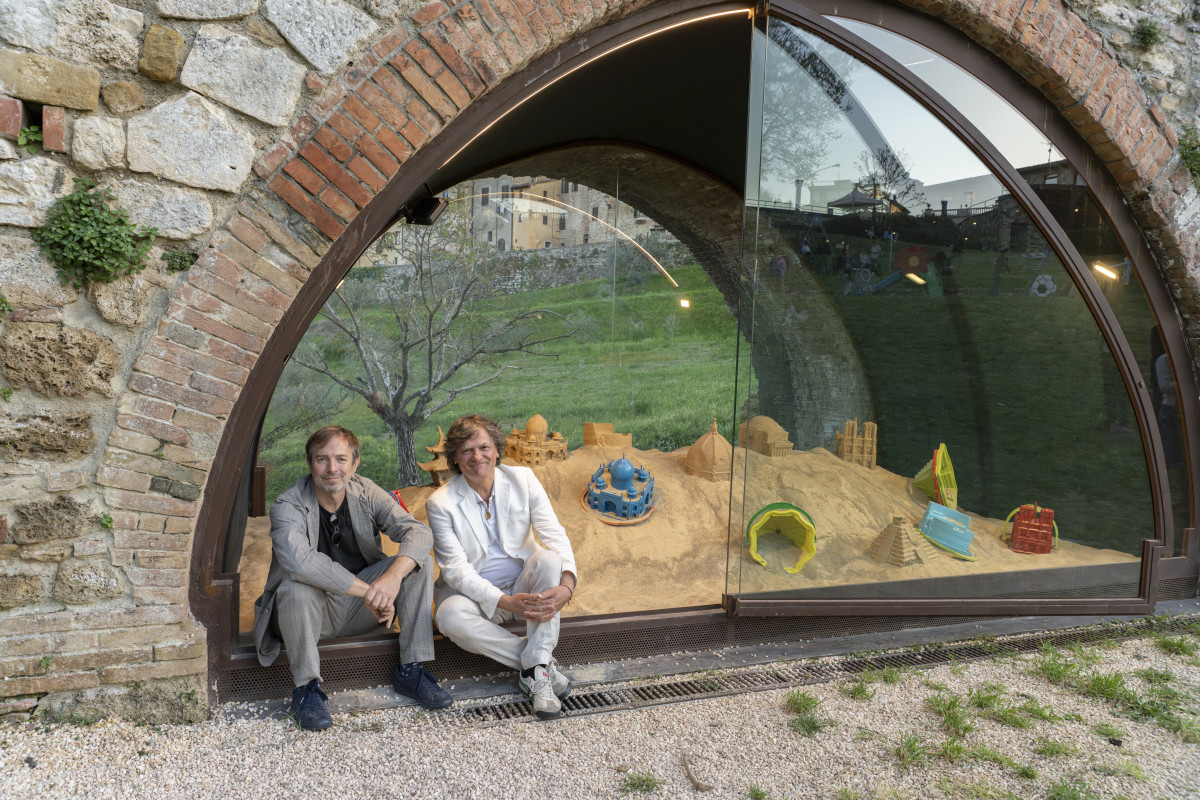
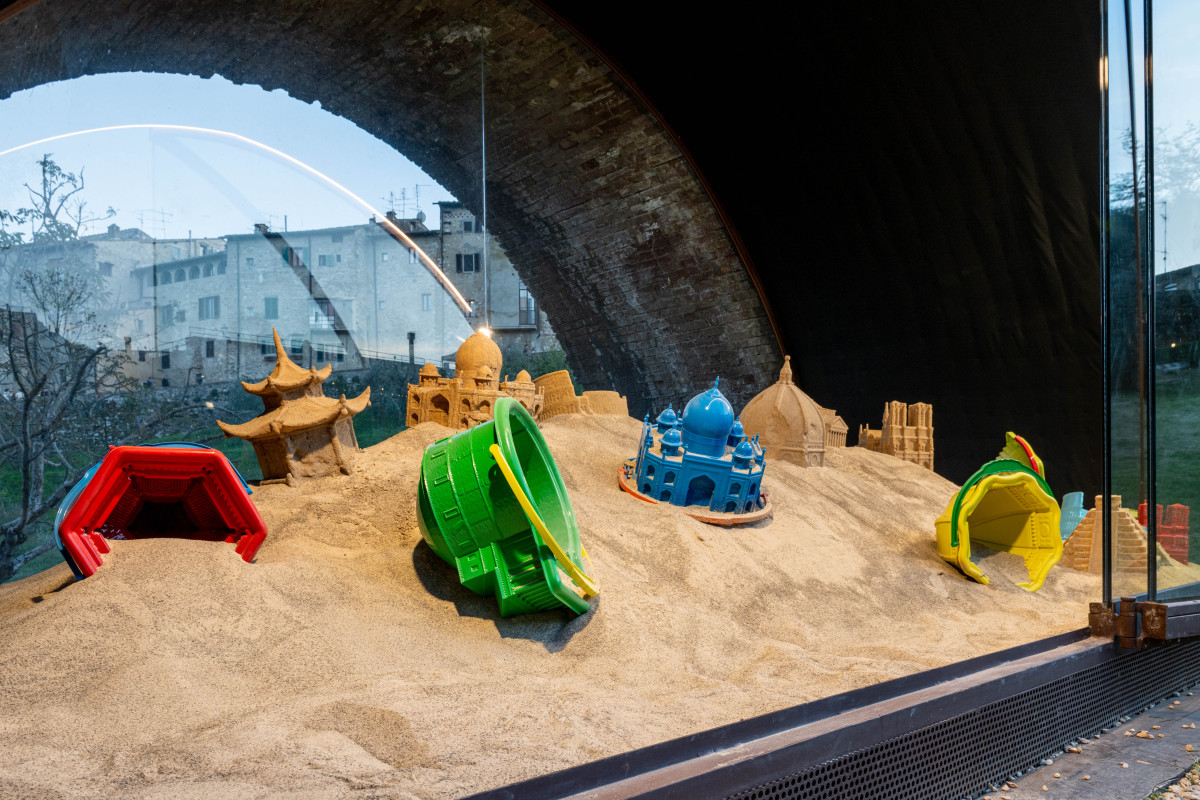
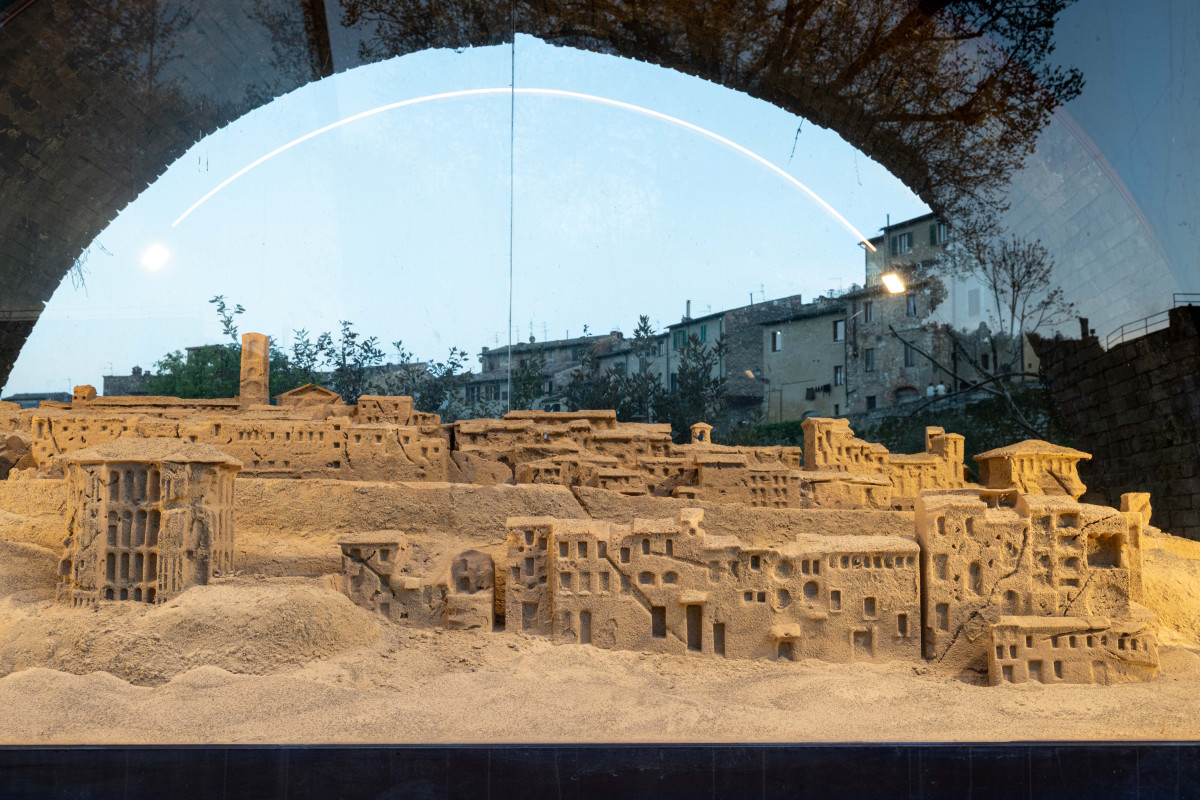
Beneath the medieval arches of San Francesco Bridge, its three monumental installations Sculptures in sand transform public space into an ephemeral landscape that reflects on the nature of heritage, its vulnerability, and the collective responsibility of memory.
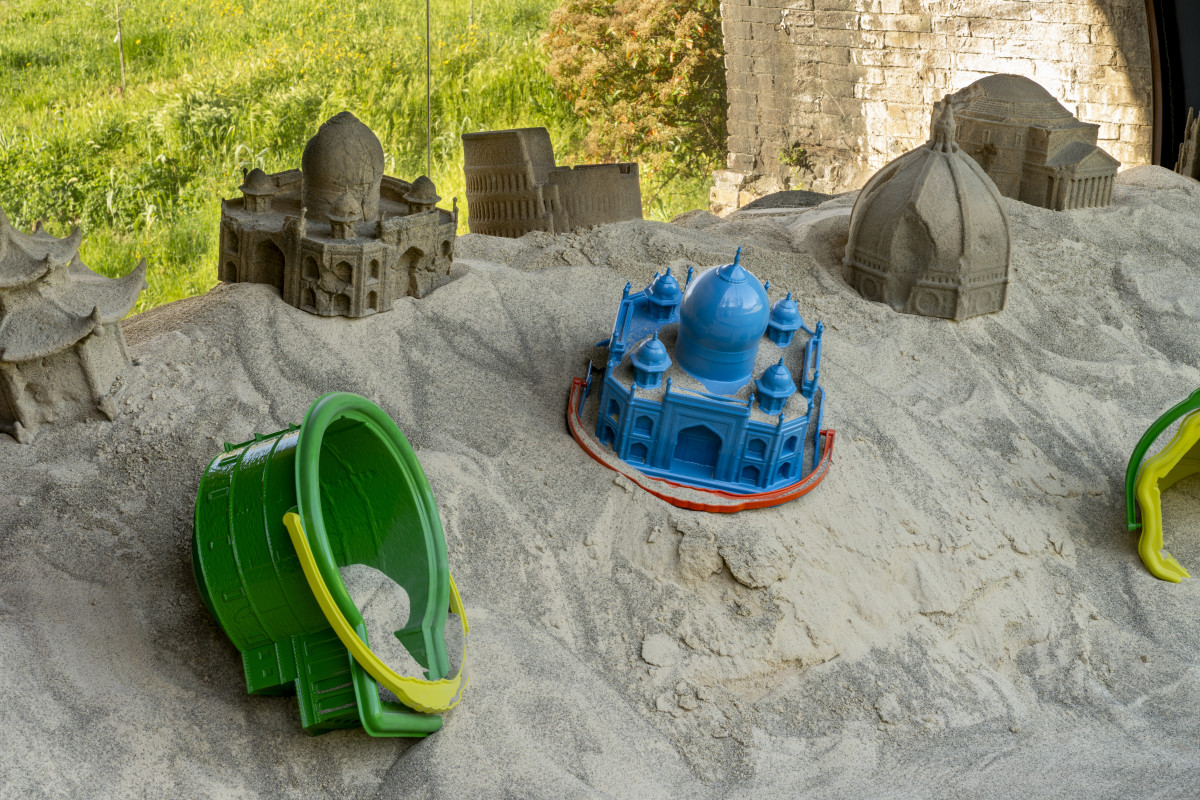
The sandcastle – a symbol of childhood imagination, collective play, and ephemeral beauty – here also becomes a warning about the fragility of things, about erosion, and about the vanity of permanence.
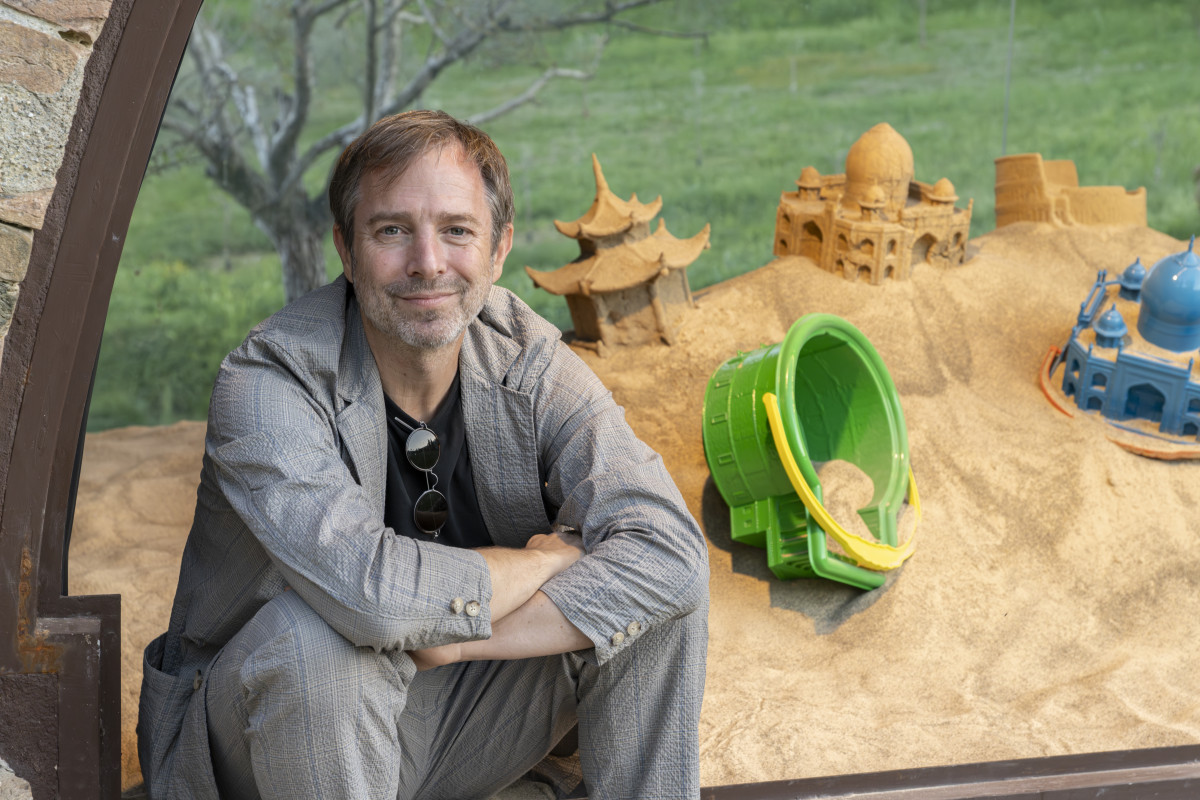
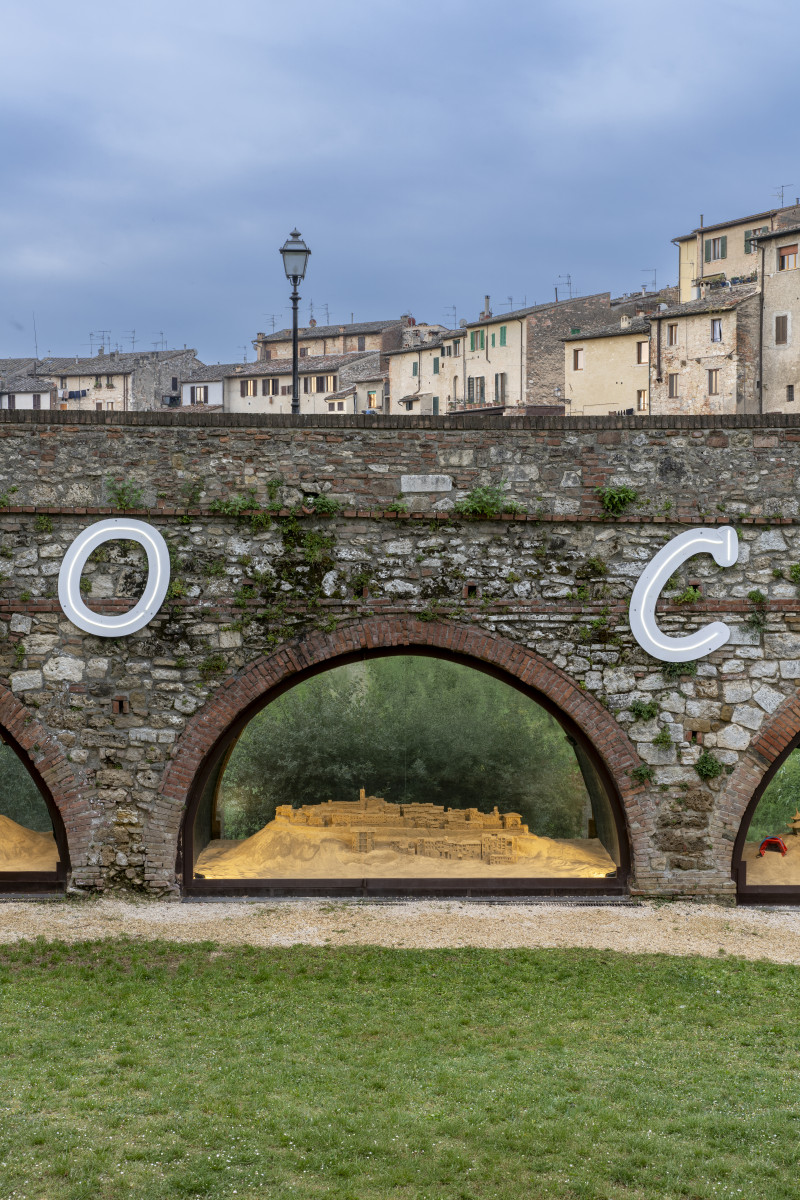
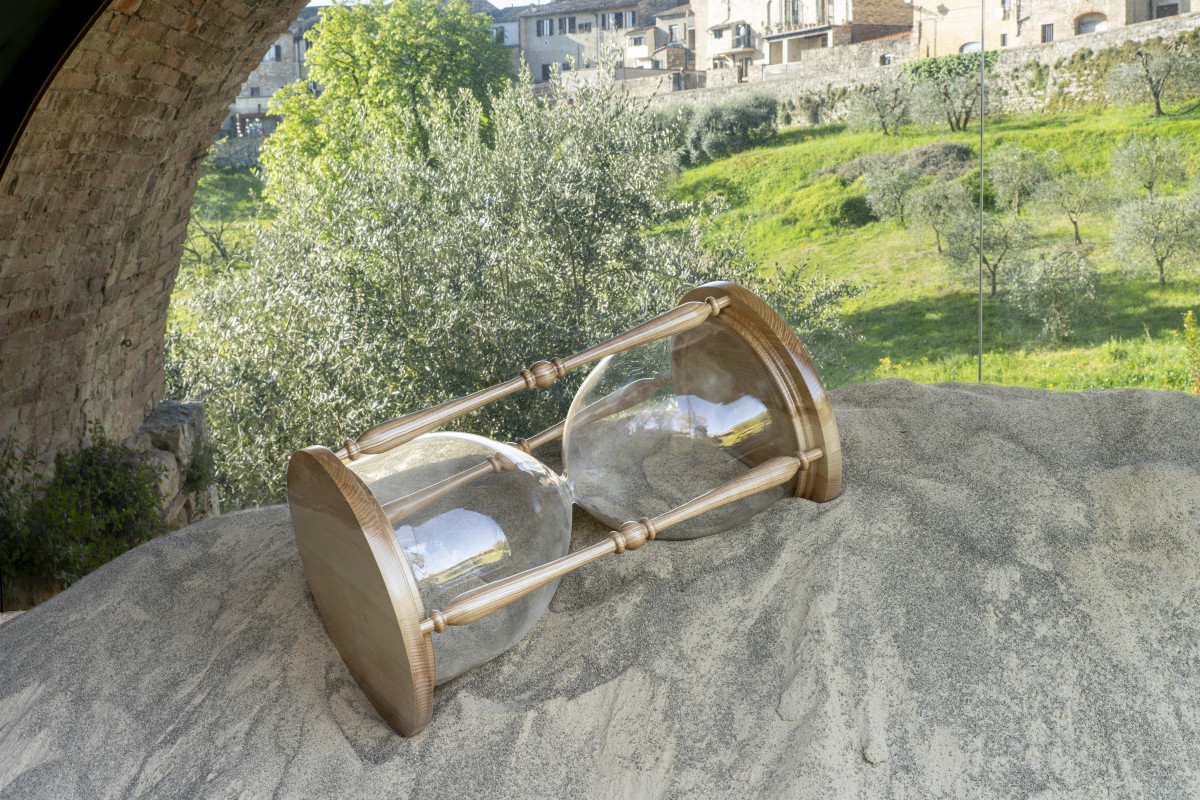
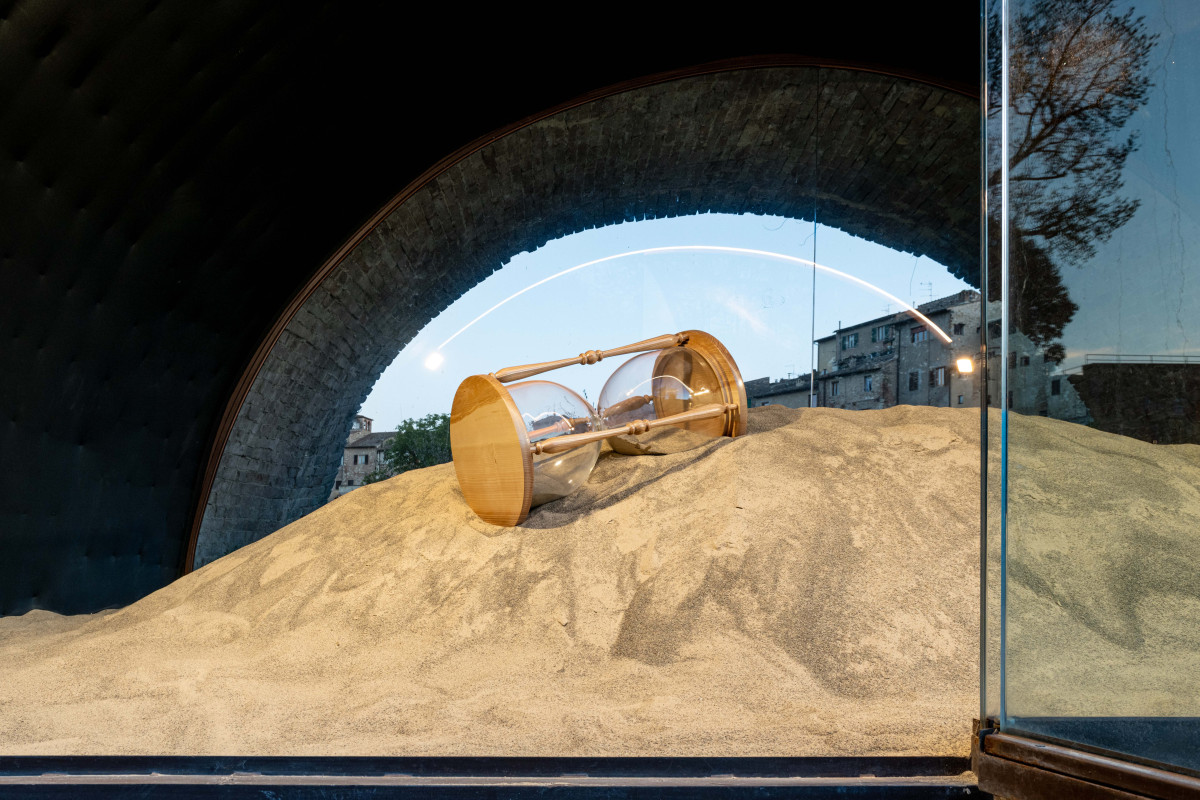
Under the Arches of Time It is divided into three scenes: from the left in the first arch, An hourglass rests on a dune. It does not measure time but evokes its immeasurability. The sand flowing inside it dialogues with that which builds the other installations, symbolically closing the cycle between memory, present, and loss. In the second arch, the sand takes the form of a cartography: the village of Colle Val d’Elsa appears in miniature, sculpted as if it had been shaped by the wind. The city becomes an ephemeral relief that recalls the transient nature of all human settlements. In the third, miniatures of iconic architectures emerge from a sand dune—from Brunelleschi's dome to the Parthenon, from a Mayan pyramid to Notre-Dame—like an impossible atlas that brings together symbols of distant civilisations in the same fragile geography.
In this fragile landscape, heritage reveals its deepest nature: not eternal stone, but a delicate substance – like sand – held together by the responsibility of its custodians.
«There is something about sand that has always caught my attention. From childhood, I have been fascinated by its immeasurable scale, the impossibility of imagining or counting the grains on a beach. In that experience, there was already an intuition of infinity, but also a confrontation with time: sand as the result of millions of years of erosion, and as a fragile surface upon which our finite existence unfolds. Later, Borges' The Book of Sand gave shape to that intuition, revealing an image of infinity that was as fascinating as it was unsettling. Since then, sand has remained an essential metaphor for me. Sand evokes the ephemeral. Every form built with it seems to contain, from the very beginning, the certainty of its own disappearance. And yet, it is precisely in that act of construction – however precarious and fleeting – that something profoundly human is revealed. From children's structures on the beach to the great constructions of history, the same impulse persists: to resist time, to leave a trace, to assert a will to last in the face of the inevitable. Perhaps it is in this tension between fragility and duration that one of the deepest keys to the human condition is revealed.», says the artist Leandro Erlich.
The project is done with the patronage of the Tuscany Region, Colle di Val D’Elsa, Poggibonsi and San Gimignano, within the framework of the application Colle Val d'Elsa Italian Capital of Culture 2028, with the support of the sponsors Giannoni & Santoni e Carlo Fantacci & Associati e La Torre Farm of Ananìa Luigi Antonio.
Artist biography
Leandro Erlich (Argentina, 1973) lives and works between Paris, Buenos Aires and Montevideo.
Negli ultimi due decenni le sue opere sono state esposte a livello internazionale ed entrano a far parte delle collezioni permanenti di prestigiosi musei e collezioni private, tra cui il Museo de Arte Moderno de Buenos Aires, il Museum of Fine Arts di Houston, la Tate Modern di Londra, il Musée National d’Art Moderne – Centre Georges Pompidou di Parigi, il 21st Century Museum of Contemporary Art di Kanazawa, il MACRO di Roma e l’Israel Museum.
Among his best-known public projects are The Democracy of the Symbol to the Obelisk of Buenos Aires and to the MALBA, House Founded made for the United Nations Climate Change Conference in Paris, Building for Paris's Nuit Blanche and The Map – In the Shadow of the City, permanent installation in the urban landscape of Bordeaux.
Her solo exhibitions have been hosted by major international institutions, including the Mori Art Museum in Tokyo, Palazzo Reale in Milan, Kunstmuseum Wolfsburg, CAFA Art Museum in Beijing, MALBA in Buenos Aires and PAMM in Miami.