Mamma Mia!, Wang Du, 2003

"It is a project about ‘life being consumed’.

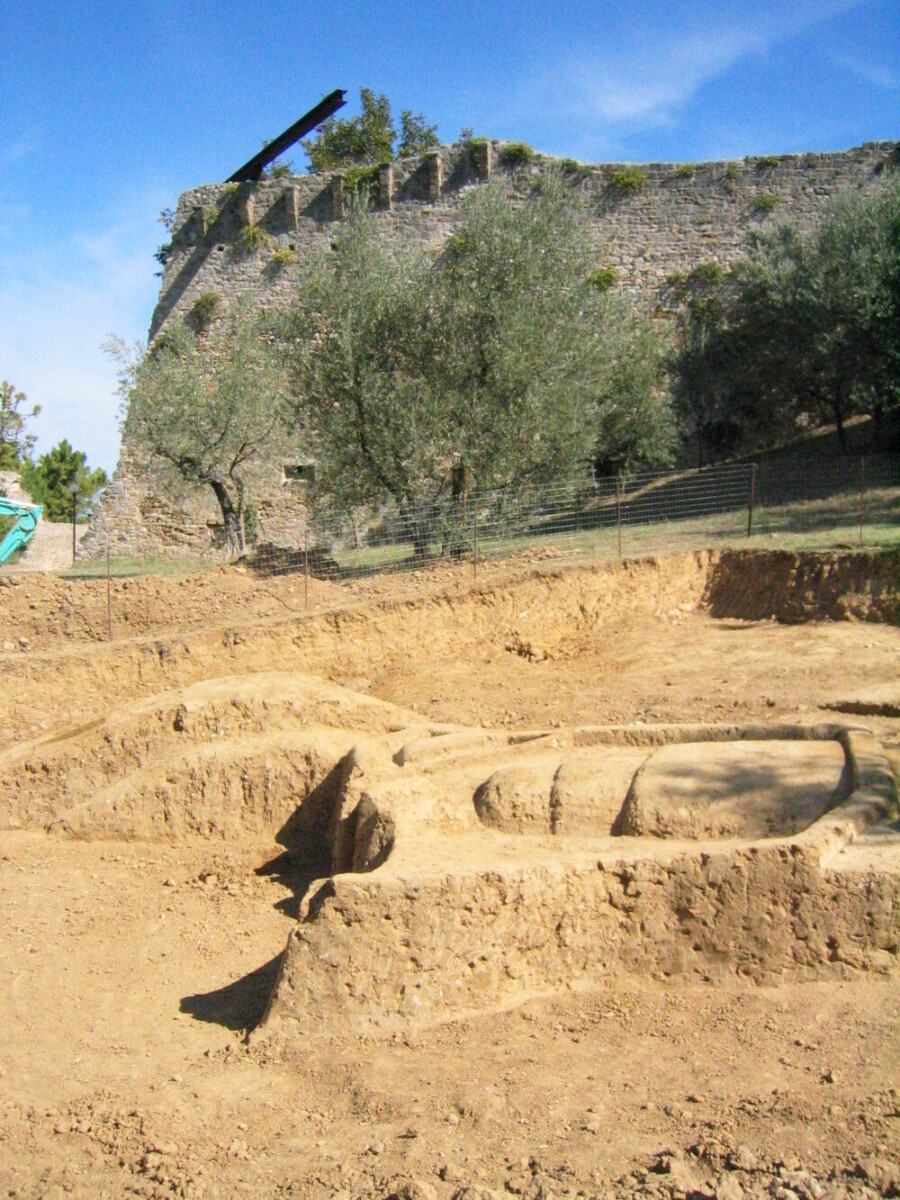
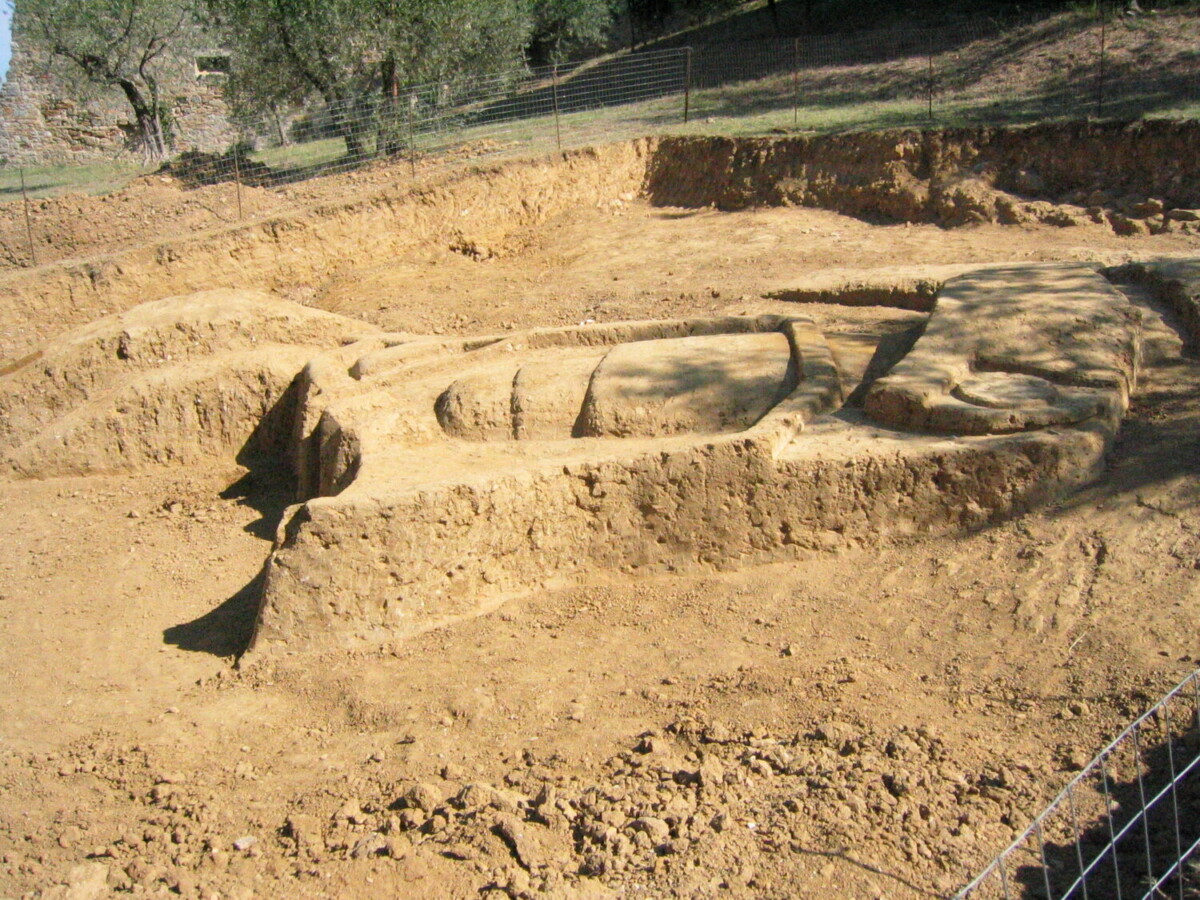
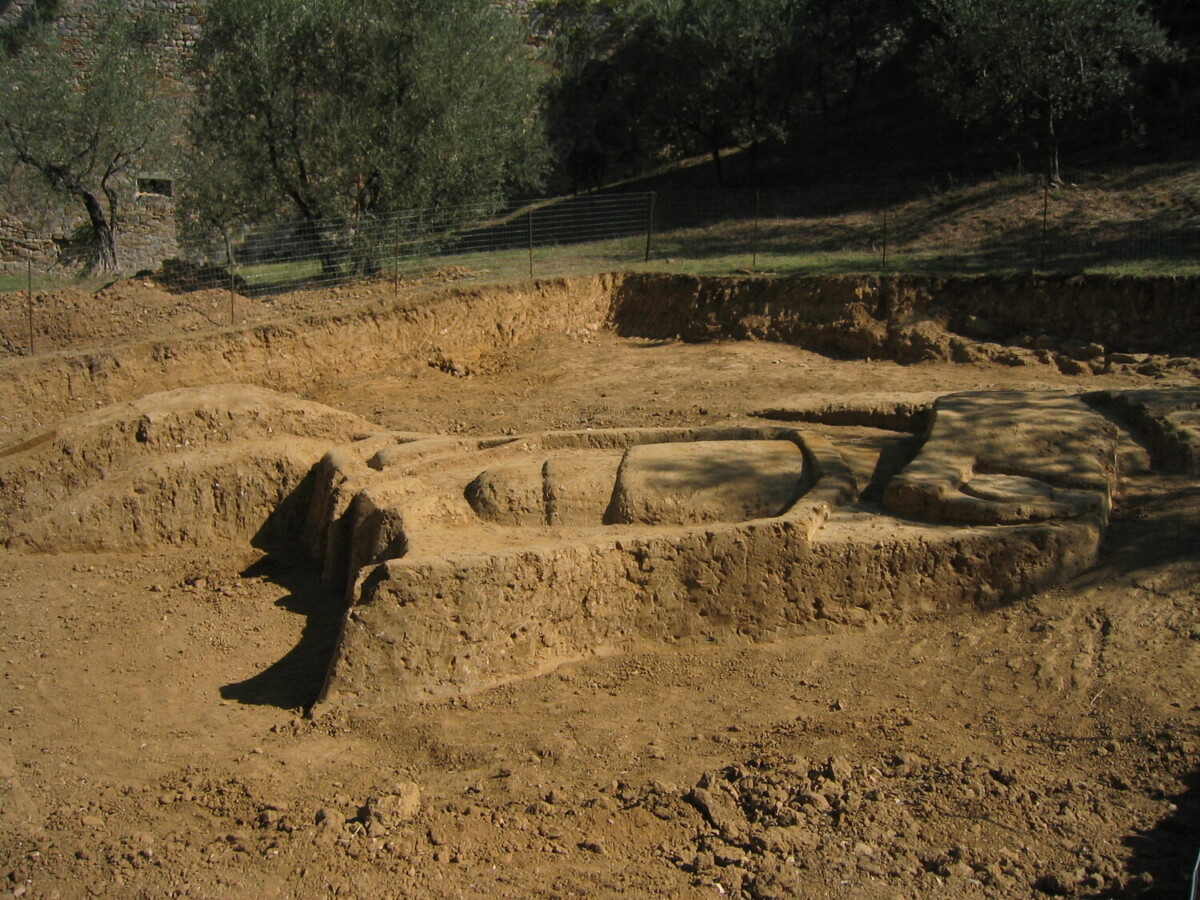
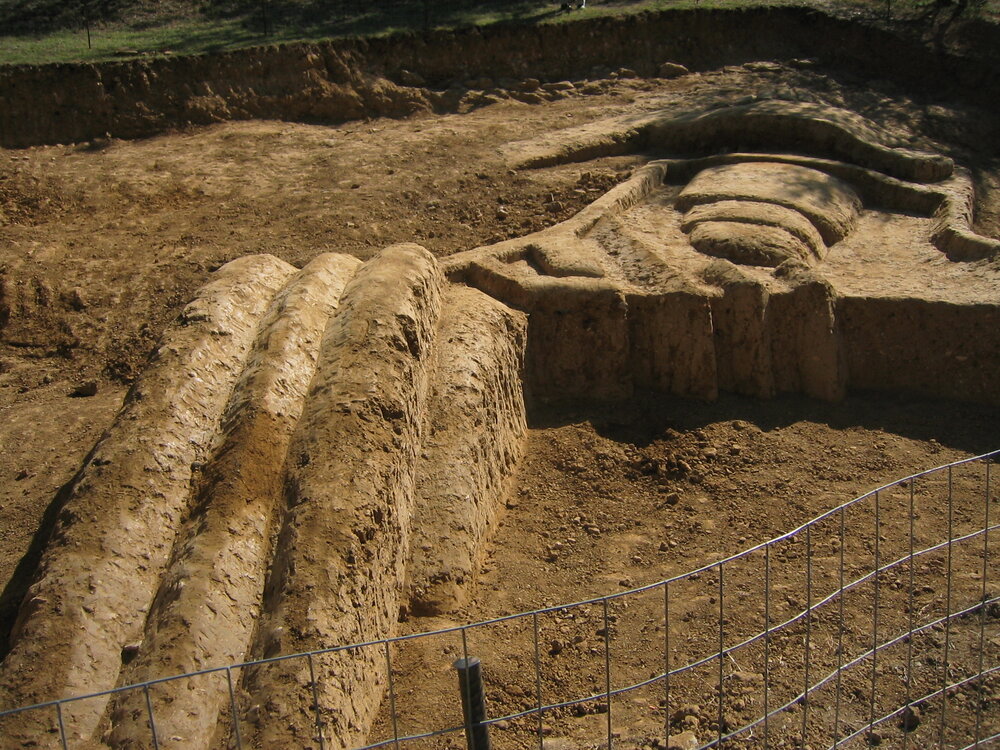
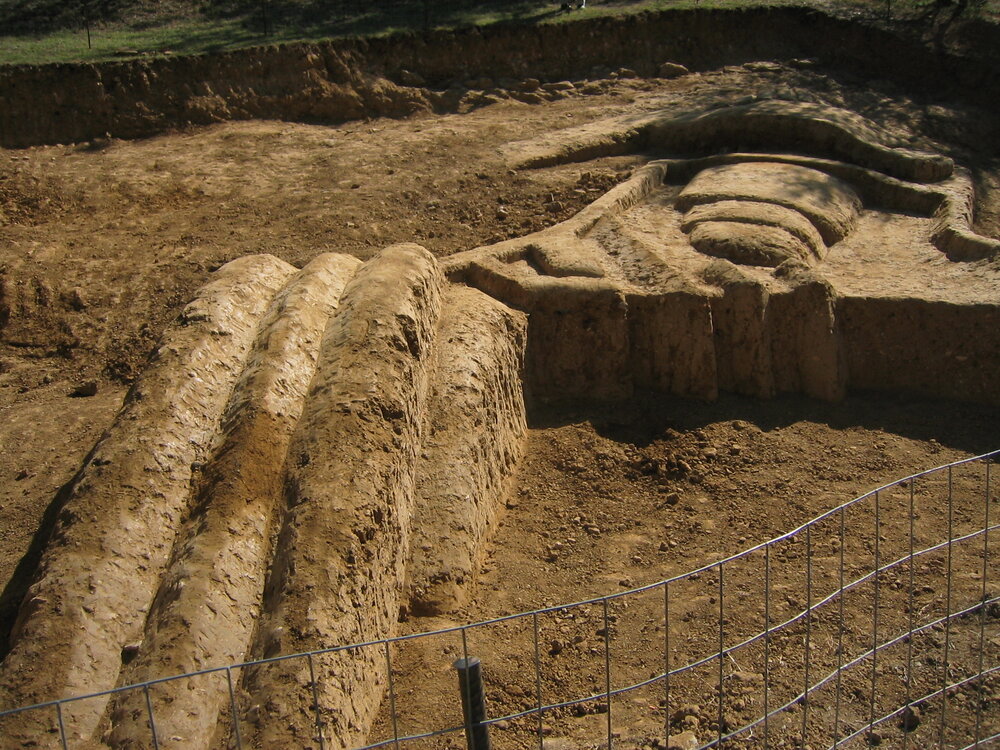
Tourism has now become a constantly growing phenomenon, despite the world’s future seeming more precarious each day due to wars, diseases, natural disasters, etc. The types and routes of travel are increasingly diverse and innovative: practically anything can be found, ranging from natural landscapes to artificial ones, from historical or folkloric destinations to exotic ones. Even the emerging urban context of modern cities has become a tourist destination. This phenomenon has been driven by the power of mass communication, digitization, and commercialization, and has already turned into a trend: that of the ‘life that is consumed.’ One only needs to observe the enormous production of travel guides of every kind with eye-catching covers, multimedia travel brochures born from substantial investments, as well as simple advertising leaflets. These are distributed to curious and enthusiastic crowds in places like airline fast food outlets, which mix nature, history, and culture. Centuries of historical transformations and cultural differences among peoples are condensed into various tourist routes. Everyone can choose one based on their preferences. In this way, one can relive in a week the marvelous experience of Marco Polo’s long journey, or the adventurous discovery of the New World by Columbus. If the variety of vitamin supplements and countless exercise tools are the biological choice for humans to gain nourishment and good health, then tourism represents a more synthetic way to satisfy curiosity, the desire for emotion, the craving for intense experiences, and the need to kill time. The tendency to live a “life that is consumed” summarizes the belief that in contemporary society everything can be consumed once and for all. If nature, history, culture, and reality have become travel souvenirs, then even our bodies and minds have been definitively consumed. What is the possible alternative to all this? Mamma Mia! was conceived based on the considerations just presented. The intention is to build an artificial tourist site. Its original form is that of an abandoned vaporizer. However, once placed within a holiday context, it will become a surprising and incredible relic. It will be priceless, as a time-worn memento, a remnant of a remote era."
Wang Du., Art to Art VIII, 2003

Art Exhibitions

Talks

On the occasion of the VIII edition of Arte all’Arte, the curators Elio Grazioli and Hou Hanru invited Wang Du, an artist of Chinese origin but Parisian by adoption, to create the work Mamma Mia! in San Gimignano.

"Wang Du, an artist of Chinese origin but Parisian by adoption, has been recognized as the master of image manipulation related to mass media. He is considered an iconoclastic hero in his reclaiming and destruction of the spectacular images of our contemporary society, which is founded on the logic of creation, consumption, and manipulation of both textual and visual information. In his spectacular sculptures and installations, Wang Du transforms some of the most extraordinary moments—broadcast by the hegemonic system of mass media—into ironic and absurd forms. Looking at his exceptional artworks, what one truly experiences is the final disillusionment with the fictitious myth of contemporary society, sustained by the machine that drives global capitalism. Tourism is undoubtedly the most important activity in the region where Arte all’Arte takes place. It also represents the underlying foundation of contemporary society in these areas and dominates much of the economic, cultural, and political activity that occurs here.

Wang Du, anziché commentare l’apparente fenomeno del trionfo turistico, si interessa in modo particolare all’esplorazione della natura interna ed essenziale del turismo stesso. La fascinazione ossessiva del mito dell’immagine lo porta a interrogarsi sulla natura sorprendente del panorama cittadino di San Gimignano. Ma l’artista preferisce giocare con la qualità fittizia del luogo, invece di occuparsi della ‘storia reale’: da qualche parte della città, contro l’immagine spettacolare di San Gimignano con le sue torri, egli scava il suolo in modo discreto e svela un grande oggetto che presumibilmente appartiene al passato remoto. Il suo aspetto anomalo ci ricorda qualche oggetto volante proveniente da uno spazio cosmico e, al tempo stesso, somiglia anche a una versione ingigantita di oggetti per la casa, venduti al supermercato… Ovviamente, Wang Du sta elaborando una nuova attrazione per questa famosa meta turistica che risulta essere la più sospetta, come il tipo di turismo che egli propone. È semplicemente una parodia del turismo contemporaneo e della vita economica e sociale, che vede San Gimignano come una ‘città del cliché turistico’.”

Arte all’Arte VIII, 2003

Credits

Wang Du
Mamma Mia!, 2003
Rocca Park, San Gimignano
Project for Art to Art, 2003
Foto Ela Bialkowska, veduta dell’installazione