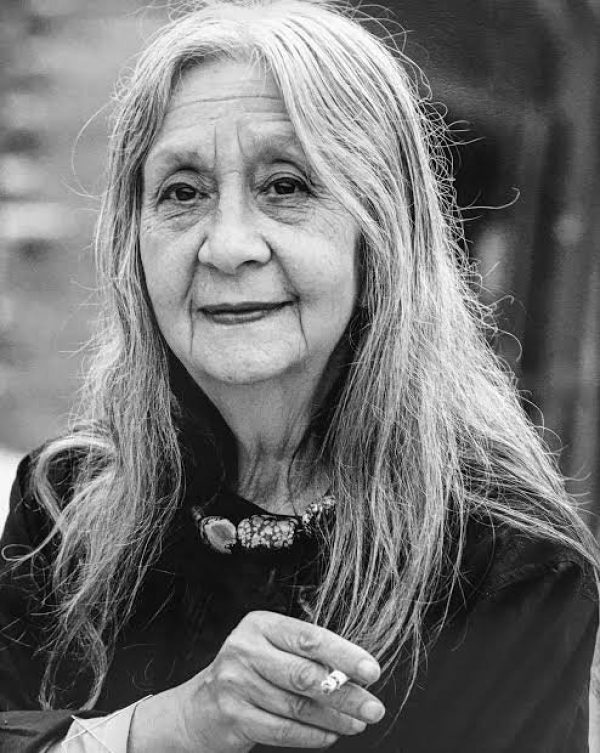
Marisa Merz è stata una delle figure più significative dell’Arte Povera, con una pratica artistica che ha saputo unire sensibilità intima e sperimentazione materica, creando opere dal forte valore simbolico e poetico.
In 2002, he/she participated in the VII edition of Art to Art with an intervention in the cistern of Colle Val d'Elsa, presentando un’opera senza titolo che è stata successivamente donata al comune ed è oggi visibile in modo permanente. Nel 2022 è stata protagonista, insieme a Mario Merz, della mostra presso l’UMoCA – Under Museum of Contemporary Art, un evento che ha celebrato il suo contributo unico all’arte contemporanea.
With her essential and profoundly evocative language, Marisa Merz left an indelible mark on art history, transforming simple materials into forms capable of conveying an intense spiritual and contemplative dimension.
Maria Luisa Truccato nasce a Torino, dove ha vissuto ed esercitato prevalentemente la sua attività artistica. Nel 1950 incontra Mario Merz, a cui si unisce in matrimonio e da cui prende il cognome. È l’unica rappresentante femminile dell’arte povera, movimento a cui si unisce insieme al marito Mario. Sul piano artistico si fa notare per il suo rendere indistinte le frontiere fra spazio intimo e luogo pubblico e per l’uso dei materiali come la lana, il rame, la cera, dedicando numerose opere alla figlia Beatrice. Partecipa a numerose manifestazioni internazionali e le vengono dedicate importanti mostre personali. In seguito alla morte del marito, Marisa Merz continua ad elaborare una produzione artistica singolare ed emozionante. Nel 2013, insieme a Maria Lassnig, riceve il Leone d’oro della 55ª Biennale di Venezia. Muore all’età di 93 anni a Torino.