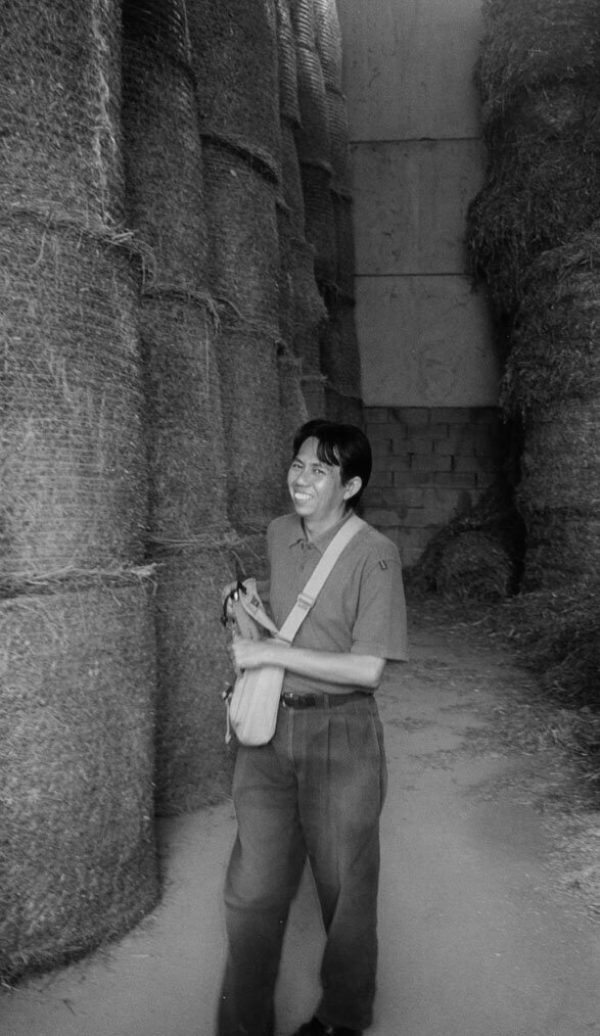
Eko Prawoto (Yogyakarta, Indonesia, 1958) is an architect and artist known for his sustainable approach and commitment to valuing local architectural traditions. His practice combines natural materials and traditional techniques with a contemporary vision, creating works that engage deeply with the landscape and communities.
In 2003, Prawoto participated in Art to Art VIII, where has he carried out a project in Buonconvento. L’opera, fortemente legata al contesto locale, ha esplorato il rapporto tra architettura, natura e memoria, utilizzando materiali semplici e tecniche costruttive artigianali per creare un intervento poetico e significativo.
Eko Prawoto continua a distinguersi per il suo lavoro che unisce innovazione, rispetto per le tradizioni e un forte impegno sociale, contribuendo a ridefinire il ruolo dell’architettura contemporanea nelle comunità locali e globali.
Eko Prawoto (1958-2023) was an Indonesian architect and artist known for his humanistic and sustainable approach, deeply rooted in cultural traditions and natural materials. He gained international recognition for his project The Transitory Place: A Housing Project for the Urban Poor in Yogyakarta, presented at the 2000 Venice Architecture Biennale, which embodied the theme “Less Aesthetics, More Ethics”.
Dopo essersi laureato in Architettura presso l’Università Gadjah Mada di Yogyakarta nel 1982 e aver conseguito un master al Berlage Institute di Amsterdam nel 1993, Prawoto ha iniziato a insegnare all’Università Cristiana Duta Wacana di Yogyakarta, dove ha lavorato per tutta la vita. Tra i suoi progetti più celebri figura lo spazio espositivo Cemeti Art House(1999), a simple yet innovative architecture, awarded by the Indonesian Architects Association as “Cultural Building” in 2004.
Prawoto demonstrated his commitment to local communities after the devastating earthquake in Java in 2006, designing houses inspired by traditional Indonesian structures.limasanearthquake-resistant and built with recycled materials. This project enabled 65 homes to be rebuilt in under three months and was a finalist for the prestigious Aga Khan Award for Architecture (2008-2010).
With a career spanning local and international projects, including the Gwangju Biennale (2002) and the Echigo Tsumari Art Triennale (2003), Prawoto has integrated natural materials like bamboo into iconic installations such as Wormhole (Singapore Biennale, 2013) and Bale Kambang (Europalia, Belgium, 2017). He demonstrated how tropical traditions can engage with modern architecture, celebrating the harmony between humanity and the environment.
Prawoto ha lasciato un’eredità significativa, non solo attraverso i suoi progetti, ma anche come educatore e pensatore, ispirando generazioni con il suo impegno per un’architettura che rappresenti la dignità e la resilienza delle comunità.